

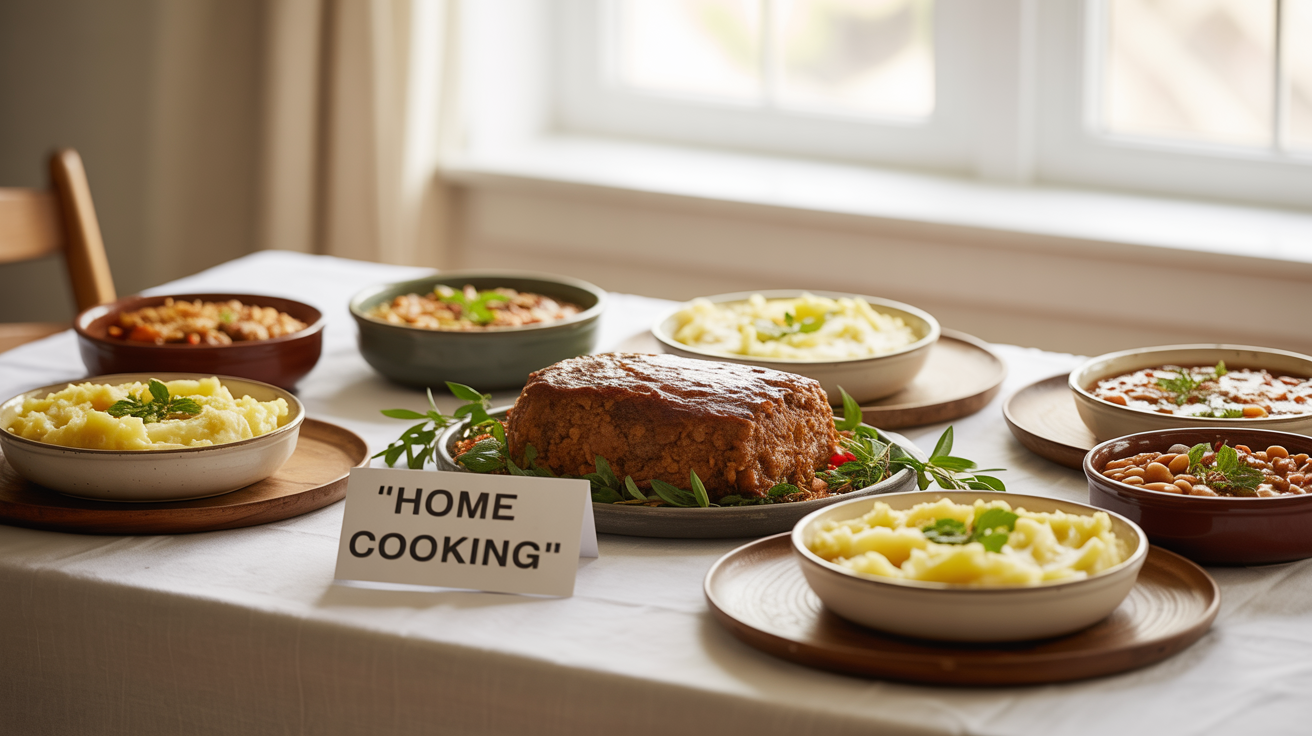
And Loving It
Look, I get it. You walk down the gluten-free aisle, see a tiny loaf of bread for $8, and suddenly wonder if you should take out a second mortgage just to make a sandwich. Going gluten-free doesn’t have to drain your bank account, and I’m here to prove it with real strategies that actually work.
I’ve been navigating the gluten-free world for over five years now, and trust me, I’ve made every expensive mistake in the book. But I’ve also figured out how to eat amazing, satisfying meals without selling a kidney. Ready to learn how? 🙂
## Understanding Why Gluten-Free Costs More (And How to Beat the System)
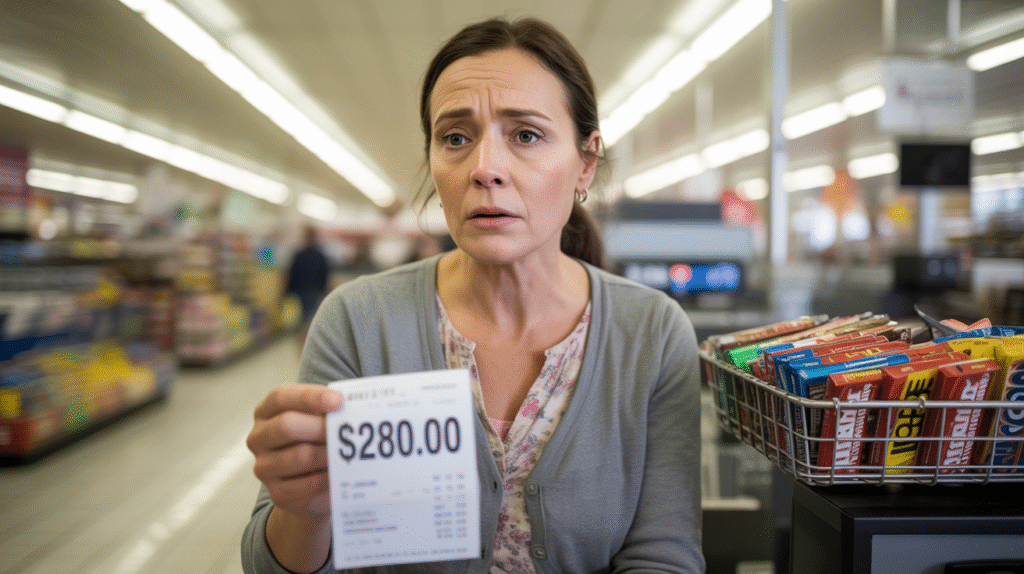
Ever wondered why that tiny box of gluten-free pasta costs three times more than regular pasta? It’s not just corporate greed (though that doesn’t help). Gluten-free production requires separate facilities, specialized equipment, and expensive alternative ingredients that naturally drive up costs.
But here’s the thing – you don’t need to buy into the premium pricing game. The secret lies in focusing on naturally gluten-free whole foods rather than processed alternatives. Think rice, potatoes, beans, fresh vegetables, and meat. These foods have always been gluten-free, and they’re still budget-friendly.
The biggest mistake I made early on? Trying to replace every single wheat-based food with a gluten-free version. That’s like replacing your Honda with a Ferrari and wondering why your car payments tripled.
## Smart Shopping Strategies That Actually Save Money
Buy in Bulk (But Be Strategic About It)
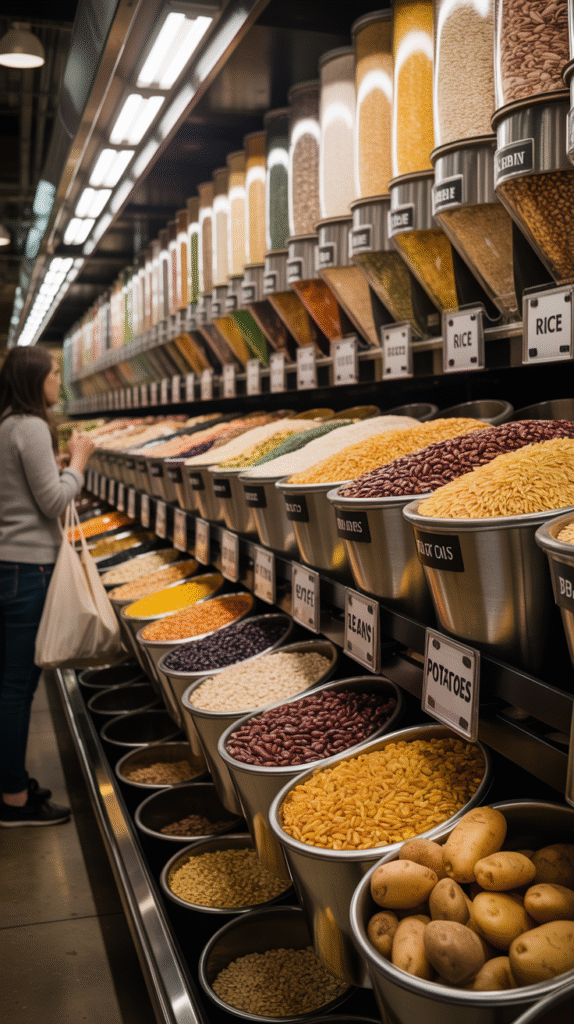
Bulk buying is your best friend, but only for the right items. I buy rice, quinoa, and dried beans in massive quantities from warehouse stores. These staples last forever and cost a fraction of their packaged counterparts.
Here’s what I buy in bulk:
- Rice (brown, white, jasmine – whatever’s on sale)
- Dried beans and lentils
- Quinoa when it’s discounted
- Frozen vegetables (they last longer and are often cheaper than fresh)
- Gluten-free oats in large containers
What I don’t bulk buy? Specialty gluten-free baked goods. They go stale fast, and honestly, most taste like cardboard anyway.
Master the Art of Store Brand Shopping
Store brands have seriously upped their gluten-free game. Walmart’s Great Value line, Target’s Good & Gather, and even Aldi’s LiveGFree products offer solid alternatives at much lower prices.
I’ve done blind taste tests (yes, I’m that person), and many store brands beat the fancy alternatives. The LiveGFree sandwich bread from Aldi costs $3 compared to $6 for name brands, and it actually tastes better IMO.
Timing Your Shopping Like a Pro
Sales cycles are predictable if you pay attention. Gluten-free products typically go on sale every 6-8 weeks. When your favorites hit 40-50% off, stock up. I keep a running list on my phone of regular prices so I know a real deal when I see it.
Also, shop the perimeter of the store first. Fresh produce, meat, and dairy are where you’ll find the best naturally gluten-free deals.
## Budget-Friendly Recipe Categories That Actually Taste Good

Rice-Based Meals (Your New Best Friend)
Rice is cheap, filling, and incredibly versatile. I probably eat rice-based meals 4-5 times per week, and I’m not even mad about it.
My go-to budget rice dishes:
- Fried rice with whatever vegetables are on sale
- Rice and bean bowls with different seasonings
- Stuffed bell peppers with rice and ground turkey
- Rice pudding for dessert (seriously underrated)
One bag of rice can create dozens of meals for under $2. Try doing that with gluten-free bread!
Bean and Lentil Power Meals
Beans are basically perfect budget food – cheap, nutritious, and naturally gluten-free. I keep my pantry stocked with black beans, chickpeas, and red lentils.
My favorite budget-friendly bean recipes:
- Three-bean chili (costs about $1.50 per serving)
- Lentil curry over rice
- Black bean quesadillas with corn tortillas
- Chickpea salad sandwiches
Pro tip: Buy dried beans and use a slow cooker. It takes planning, but you’ll save 60-70% compared to canned beans.
Potato-Centric Comfort Food
Potatoes are criminally underrated in the gluten-free world. They’re cheap, filling, and you can prepare them a million different ways.
My potato favorites:
- Loaded baked potatoes with beans and cheese
- Hash brown casseroles
- Roasted potato and vegetable medleys
- Mashed potato bowls with gravy
A 5-pound bag of potatoes costs around $3 and feeds my family for several meals. That’s hard to beat.
## Meal Prep Magic (Because Time is Money Too)
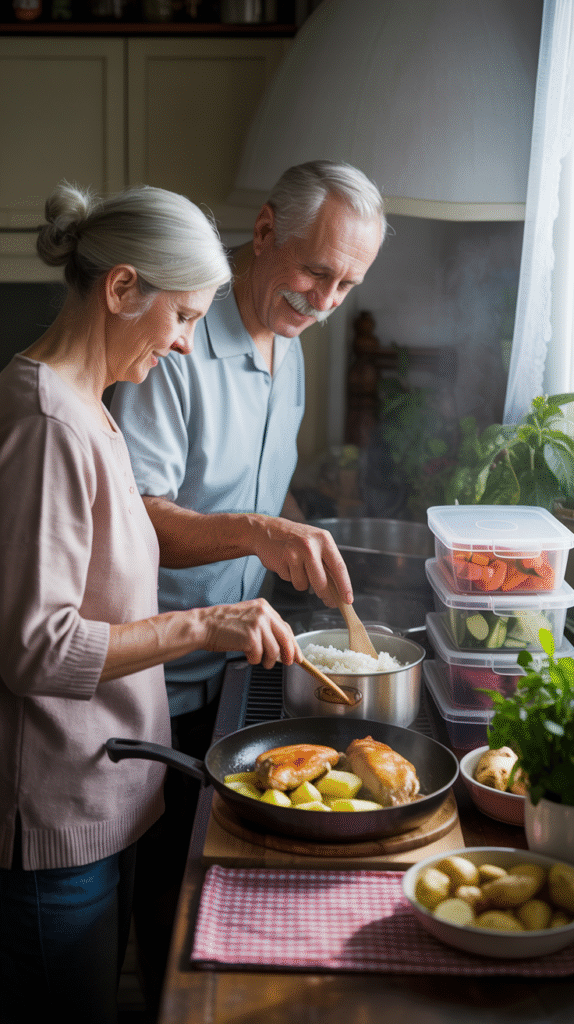
Meal prepping isn’t just trendy – it’s essential for budget gluten-free eating. When you’re tired and hungry, you’re more likely to grab that $12 frozen gluten-free pizza instead of cooking.
I dedicate Sunday afternoons to prepping basics:
- Cook a big batch of rice or quinoa
- Prep vegetables for the week
- Make a large pot of soup or chili
- Pre-portion snacks
This strategy has saved me hundreds of dollars by preventing impulse purchases. Plus, having ready-to-eat options makes sticking to gluten-free eating so much easier.
Batch Cooking Game-Changers
These recipes multiply beautifully and freeze well:
- Gluten-free meatballs (use rice instead of breadcrumbs)
- Vegetable soups
- Bean-based stews
- Rice casseroles
I make double batches and freeze half. Future me always appreciates having a home-cooked meal ready to go.
## Smart Substitutions That Save Money
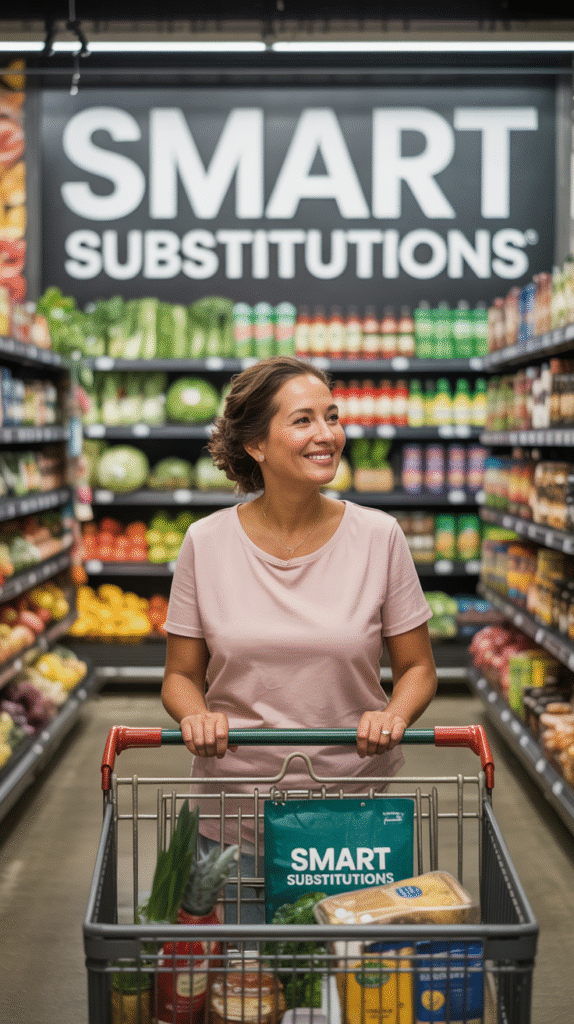
Instead of buying expensive gluten-free alternatives, I’ve learned to make smart substitutions that often taste better anyway.
My favorite money-saving swaps:
- Rice noodles instead of gluten-free pasta (much cheaper)
- Corn tortillas instead of gluten-free bread for sandwiches
- Mashed cauliflower instead of expensive gluten-free mashed potato mix
- Homemade energy balls instead of gluten-free granola bars
The corn tortilla trick alone has saved me tons. They’re under $2 for a pack, and you can make amazing wraps, quesadillas, and even pizza bases with them.
## Growing Your Own Budget-Friendly Ingredients
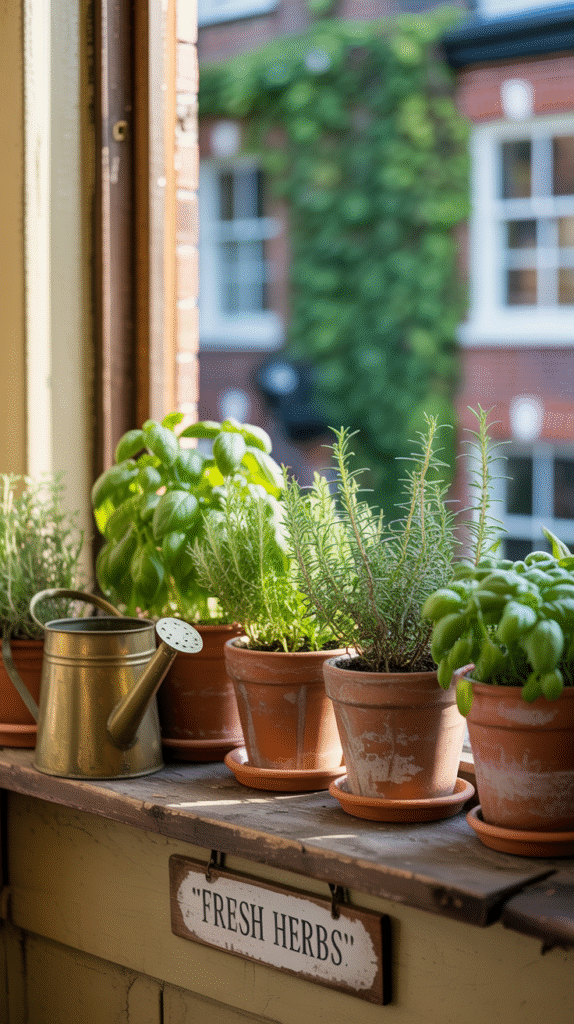
Okay, hear me out before you roll your eyes. Growing herbs and simple vegetables can dramatically cut your grocery bill. You don’t need a farm – just a windowsill or small patio space.
I grow:
- Fresh herbs (basil, cilantro, parsley)
- Green onions (they regrow from scraps!)
- Lettuce and spinach
- Cherry tomatoes
A $2 packet of basil seeds produces months worth of fresh herbs that would cost $3-4 per week at the store. The math works, even for those of us without green thumbs.
## Budget-Friendly Gluten-Free Snacks

Store-bought gluten-free snacks are ridiculously overpriced. A tiny bag of crackers costs more than a full meal! Making your own snacks saves serious money and tastes better too.
My go-to homemade snacks:
- Popcorn (buy kernels in bulk, not microwave bags)
- Rice cakes with peanut butter and banana
- Homemade trail mix
- Apple slices with almond butter
- Hard-boiled eggs
These cost pennies per serving compared to packaged alternatives.
## Eating Out Without Going Broke
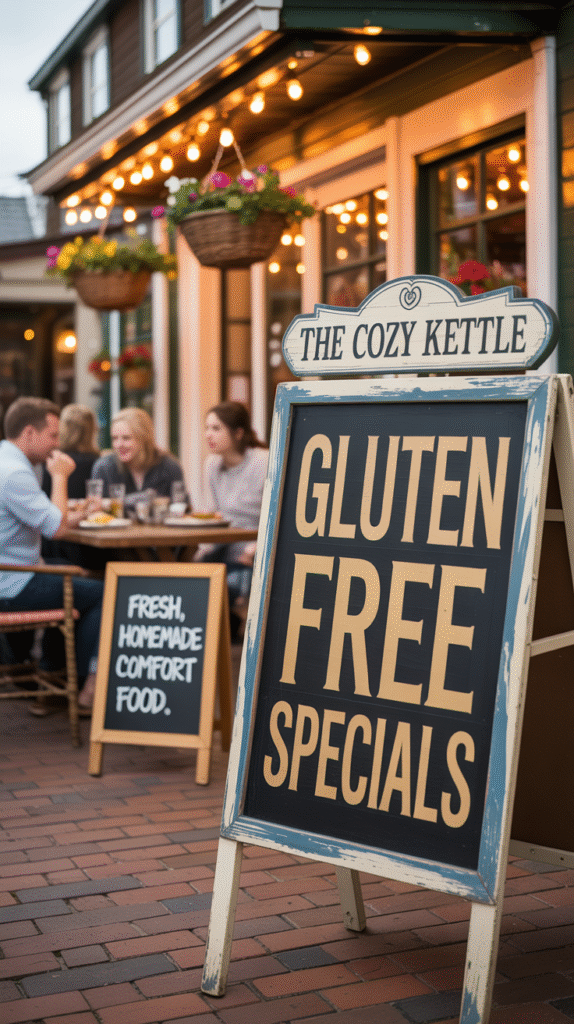
Yeah, gluten-free restaurant meals are expensive, but you don’t have to become a hermit. Choose restaurants strategically and know what to order.
My budget-friendly restaurant strategies:
- Mexican restaurants (rice, beans, corn tortillas are naturally gluten-free)
- Asian restaurants (rice-based dishes, just skip the soy sauce)
- Mediterranean places (grilled meats, rice, vegetables)
- Breakfast spots (eggs, potatoes, fruit)
I also check menus online and call ahead about preparation methods. It saves time and prevents expensive ordering mistakes.
## Building Your Gluten-Free Pantry on a Budget
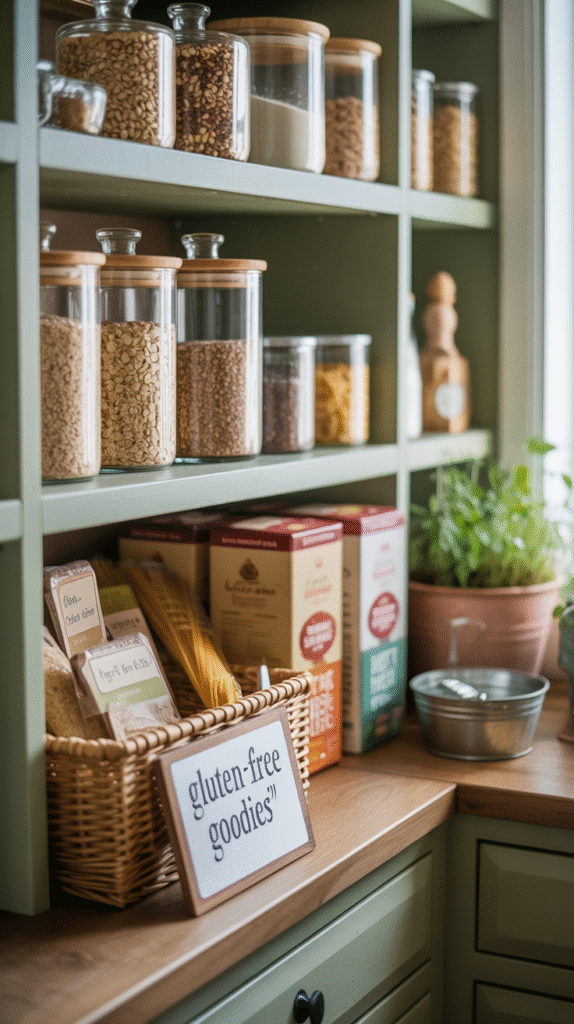
A well-stocked pantry is your secret weapon for budget gluten-free cooking. Focus on versatile basics that work in multiple recipes.
Essential budget pantry items:
- Rice (multiple varieties)
- Dried beans and lentils
- Quinoa (buy on sale and stock up)
- Gluten-free oats
- Rice noodles
- Corn tortillas
- Canned tomatoes
- Basic spices and seasonings
Build this slowly over several shopping trips. Don’t try to buy everything at once – that’s a recipe for sticker shock! :/
## The Reality Check: What This Actually Looks Like

Let me be real with you for a minute. My weekly grocery bill dropped by about 30% once I stopped trying to replace everything with specialty gluten-free products. Instead of buying $6 bread, I make rice bowls. Instead of $8 pasta, I use rice noodles that cost $2.
My typical weekly meals now cost:
- Breakfast: Rice pudding or eggs with hash browns ($1-2)
- Lunch: Bean and rice bowls ($2-3)
- Dinner: Rotating proteins with rice or potatoes ($3-5)
That’s substantially less than I was spending on processed gluten-free alternatives, and the food tastes better and keeps me fuller longer.
## Your Action Plan for Budget Gluten-Free Success

Ready to transform your gluten-free eating without bankrupting yourself? Start with these steps:
- Clean out your pantry and focus on naturally gluten-free staples
- Plan one week of rice and bean-based meals to see how much you save
- Find one store brand gluten-free product you actually like
- Prep one batch cooking recipe this weekend
The goal isn’t to eat rice and beans forever (though honestly, they’re pretty great). It’s to build a foundation of affordable, satisfying meals that happen to be gluten-free, rather than expensive attempts to recreate wheat-based foods.
Eating gluten-free on a budget isn’t just possible – it’s actually easier once you shift your mindset. Focus on real food, get creative with simple ingredients, and remember that some of the world’s most delicious cuisines are naturally gluten-free and budget-friendly.
Your wallet (and your taste buds) will thank you. Trust me on this one – I’ve got the grocery receipts to prove it works.
