

Take Control of Your Health

Picture this: You wake up Monday morning feeling surprisingly good—your back pain is manageable, your energy feels solid, and you’re optimistic about the day ahead. Fast forward to Thursday, and you can barely get out of bed. Your pain is through the roof, you’re exhausted, and you can’t remember what you did differently between those two days.
Sound familiar? If you’re dealing with chronic pain, fatigue, or any ongoing health challenge, you’ve probably experienced this frustrating cycle of good days and bad days without understanding why they happen.
The truth is, your body is constantly giving you clues about what works and what doesn’t. But without tracking these patterns, those valuable insights slip away like sand through your fingers. That’s where a simple daily tracker for pain, energy, mood, sleep, and supplements becomes your secret weapon for taking control of your health.
Understanding the Importance of Tracking Pain
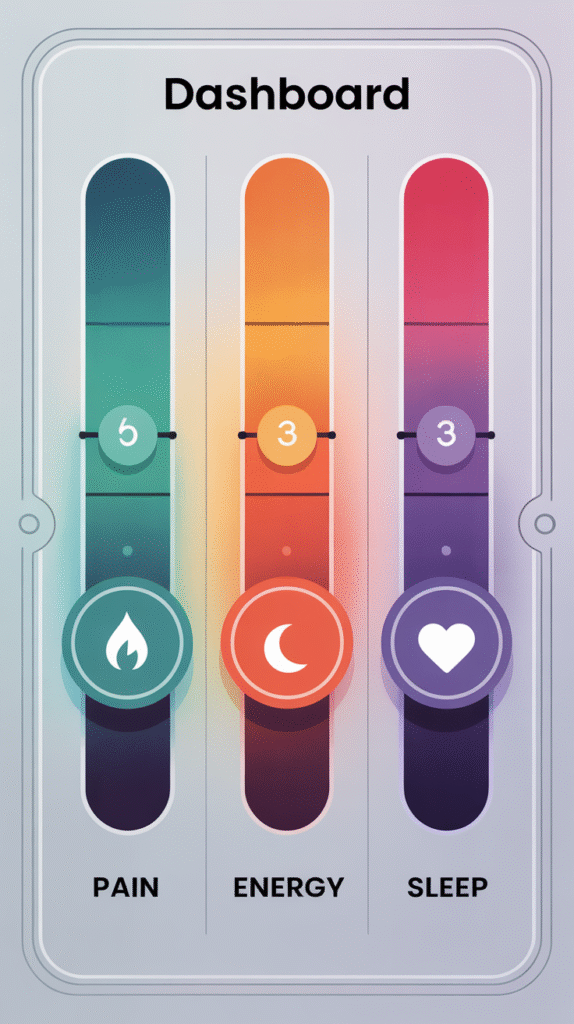
Pain isn’t just pain—it’s a complex signal that changes throughout the day, week, and month. What feels like a 3 out of 10 in the morning might spike to an 8 by afternoon, but without tracking, you’ll forget these crucial details by your next doctor’s appointment.
When you consistently log your pain levels, something magical happens: patterns emerge. Maybe your hip pain flares every time the weather changes. Perhaps your headaches spike on days when you skip your afternoon snack. Or you might discover that your pain is consistently worse on Mondays (hello, weekend stress catching up!).
Take Sally, a 34-year-old teacher who suffered from chronic lower back pain for two years. After just three weeks of daily tracking, she noticed her pain was significantly worse on days she wore her favorite heels to work. This simple discovery led her to invest in better supportive shoes, reducing her daily pain from a 6 to a 3 on average.
Tracking pain also transforms your conversations with healthcare providers. Instead of saying “I hurt all the time,” you can say “My pain averages a 4 in the morning but peaks at 7 around 3 PM, especially on days when I sleep less than 6 hours.” That’s actionable information doctors can work with.
Energy Levels Matter Too
Your energy isn’t separate from your pain—they’re intimately connected. Chronic pain is exhausting, and fatigue makes everything hurt more. It’s a cycle that can feel impossible to break without understanding your personal patterns.
Logging your energy levels alongside pain creates a clearer picture of your overall well-being. You might discover that your energy crashes consistently happen two hours after taking a certain medication, or that your best energy days coincide with specific supplement combinations.
Energy tracking also helps you plan your life more strategically. If you know Tuesday afternoons are typically your lowest energy point, you can schedule lighter activities then and save demanding tasks for your high-energy windows.
Consider tracking energy on a 1-5 scale where 1 is “can barely function” and 5 is “feel amazing and ready to tackle anything.” This simple measurement, recorded once or twice daily, reveals patterns that pure memory simply can’t capture.
Mood and Stress Tracking
Here’s something many people don’t realize: your emotional state directly impacts how much pain you feel. Stress, anxiety, and depression can literally turn up the volume on pain signals in your brain. Conversely, chronic pain can trigger mood changes that affect your entire quality of life.
Tracking your mood alongside physical symptoms helps you spot these connections. You might notice that your pain spikes on high-stress days, or that certain supplements not only help with pain but also improve your emotional resilience.

Simple mood tracking doesn’t require a psychology degree. Rate your overall mood from 1-5, note any significant stressors, or just jot down one word describing how you felt emotionally that day. The goal is noticing trends, not perfect documentation.
Many people discover surprising connections through mood tracking. Maybe your worst pain days follow nights of poor sleep, which leads to irritability, which makes you less likely to do gentle stretches, creating a downward spiral. Recognizing this pattern empowers you to intervene earlier in the cycle.
Sleep Quality and Its Impact

If pain is the villain in your health story, poor sleep is its evil sidekick. Bad sleep makes pain worse, and pain makes sleep worse. It’s a vicious cycle that keeps many people trapped in chronic discomfort.
Sleep tracking doesn’t have to be complicated. Note how many hours you slept, rate your sleep quality from 1-5, and jot down anything that might have affected your rest—caffeine timing, stress levels, room temperature, or supplements taken.
Over time, you’ll start seeing correlations. Maybe your pain is always worse after nights when you get less than 7 hours of sleep. Perhaps that magnesium supplement you take helps with pain, but only when you take it at least 2 hours before bed for optimal sleep benefits.
One tracking revelation might be discovering that your “night owl” schedule is sabotaging your pain management. Our bodies have natural circadian rhythms that affect pain perception, and disrupting these patterns can amplify discomfort.
Supplements & Treatments Tracking
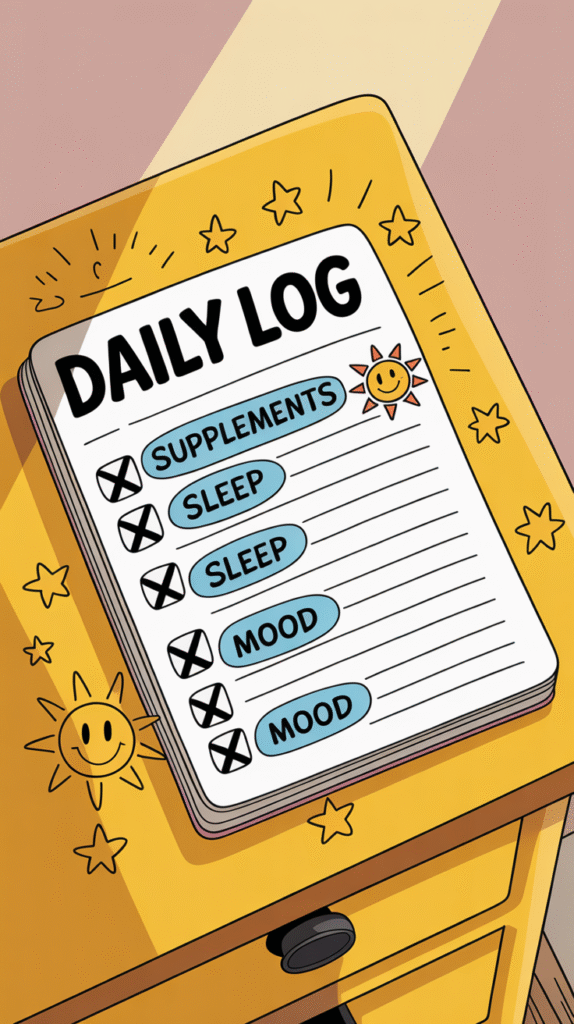
This is where tracking becomes truly powerful for long-term health management. With countless supplements, medications, and treatments available, it’s impossible to remember what actually helps without systematic tracking.
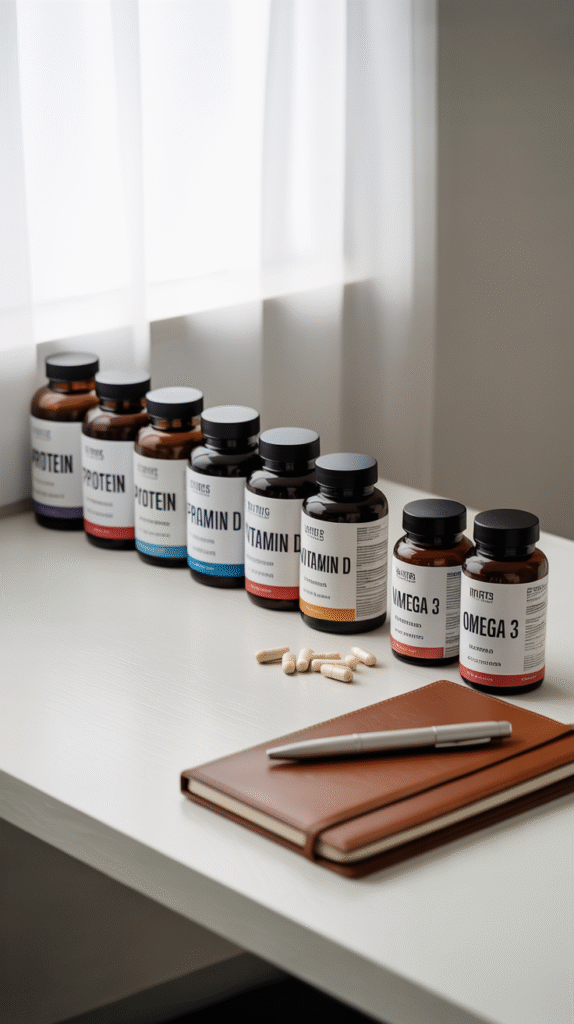
Document what you take, when you take it, and any effects you notice. This includes prescription medications, over-the-counter supplements, herbal remedies, and alternative treatments like acupuncture or massage therapy.
Don’t overlook lesser-known options that might be worth discussing with your healthcare provider. Pine bark extract has shown promise for certain types of chronic pain and circulation issues. Magnolia bark has been studied for its stress-reducing and sleep-supporting properties. Tracking helps you determine if these alternatives provide real benefits for your specific situation.
The key is consistency and patience. Some supplements take weeks to show effects, while others might provide immediate relief. Without tracking, you might discontinue something that’s actually helping, or continue taking something that’s providing no benefit.
Create a simple log noting the supplement name, dosage, timing, and any effects (positive or negative) you observe. This becomes invaluable data for optimizing your health regimen.
Putting It All Together
Magic happens when you track multiple metrics together instead of viewing them in isolation. Suddenly, you’re not just managing symptoms—you’re understanding your body’s unique patterns and needs.
Here’s what comprehensive tracking might reveal:
Your pain spikes correlate with poor sleep, which happens more frequently when you’re stressed about work deadlines. On these high-pain days, your energy crashes by mid-afternoon, making you less likely to take your evening walk, which usually helps with both pain and sleep quality.
Or perhaps you discover that a specific combination of supplements (maybe turmeric with black pepper and omega-3s) significantly reduces your morning stiffness, but only when you take them with dinner rather than breakfast. This insight would be impossible to capture without systematic tracking.
Some people notice their best days happen when they get 7-8 hours of sleep, take their magnesium supplement 2 hours before bed, do 10 minutes of gentle stretching in the morning, and avoid caffeine after 2 PM. These aren’t random coincidences—they’re personalized health insights that only emerge through consistent tracking.
Your Path to Better Health Starts Today

Tracking your health metrics isn’t about becoming obsessed with numbers—it’s about empowering yourself with knowledge. When you understand your patterns, you can make informed decisions about treatments, lifestyle changes, and daily activities.
The benefits extend far beyond symptom management. You’ll have better conversations with healthcare providers, feel more confident advocating for your needs, and develop a deeper understanding of your body’s signals. Most importantly, you’ll move from feeling like a victim of unpredictable symptoms to being an active participant in your health journey.
Remember, the best tracking system is the one you’ll actually use consistently. Whether it’s a smartphone app, a simple notebook, or a spreadsheet, choose something that fits your lifestyle and preferences.
Ready to transform your relationship with your health? Start your tracking journey today with our free “Pain & Wellness Daily Tracker”—a simple, comprehensive tool designed to help you identify the patterns that matter most. Download your tracker and begin discovering the insights that could change your daily experience with pain, energy, and overall well-being.
Don’t let another week of valuable health data slip by unnoticed. Your future self will thank you for starting today.