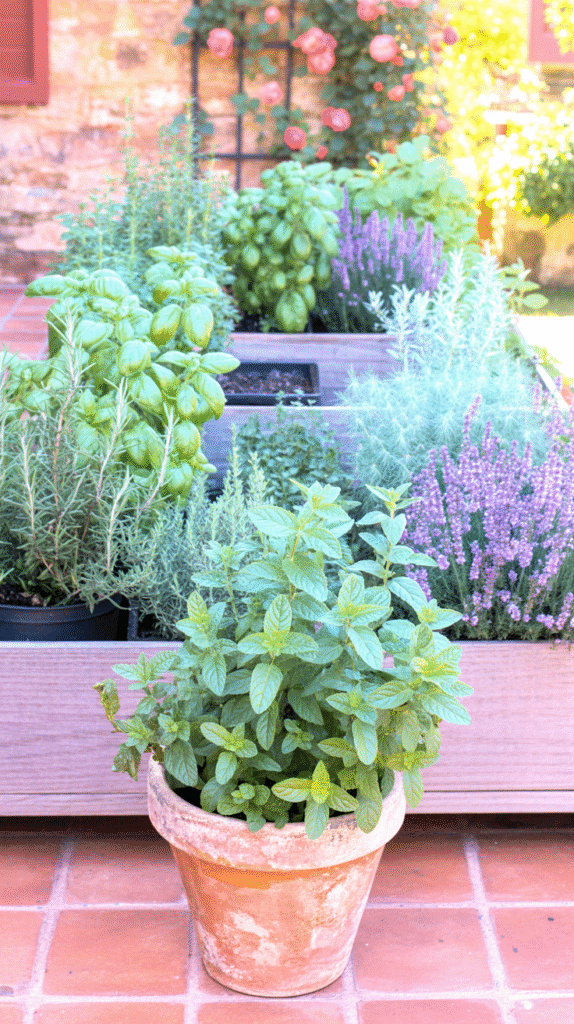


No Prescription Needed
Last month, my neighbor Lillian mentioned how her chronic back pain was wearing her down. She’d tried the usual suspects—turmeric, ginger, even CBD oil—but nothing seemed to provide lasting relief. That’s when I introduced her to devil’s claw, a lesser-known African remedy that changed everything for her. Within two weeks, she was gardening again without wincing.
Here’s the thing: while everyone talks about popular natural remedies, there’s a whole world of effective natural pain killers and relaxants hiding in plain sight. These botanical powerhouses have been helping people find relief for centuries, yet most of us have never heard of them.
If you’re tired of relying solely on over-the-counter medications or looking for natural alternatives to complement your current routine, these 12 hidden gems might be exactly what you’ve been searching for.
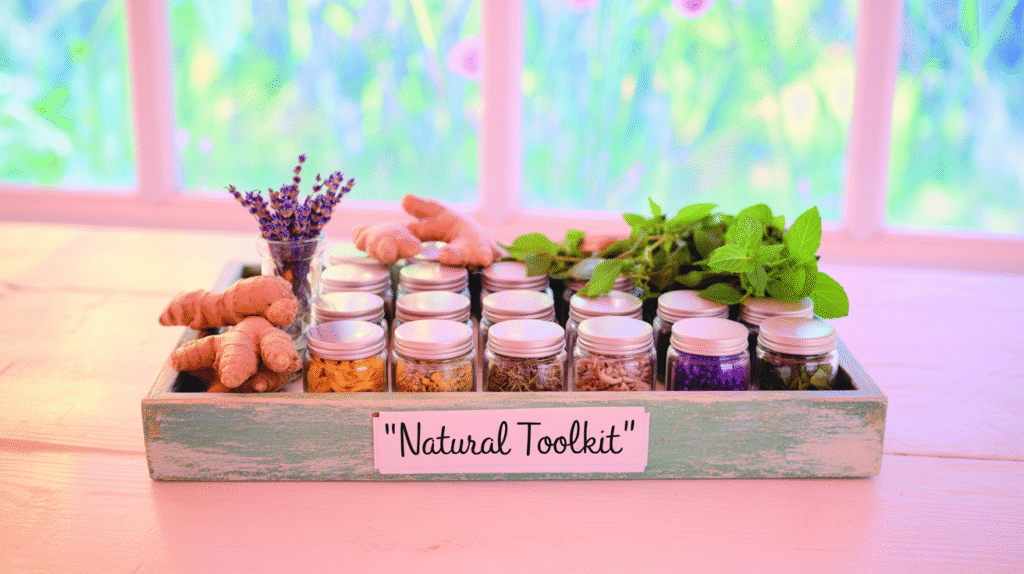
Nature’s Secret Pain Relief Arsenal
1. Pine Bark Extract: The Circulation Booster
Pine bark extract is packed with powerful antioxidants called proanthocyanidins that work double duty—reducing inflammation while improving blood flow to affected areas.

This extract shines brightest for people dealing with joint pain and morning stiffness. The improved circulation helps deliver nutrients to damaged tissues while flushing out inflammatory compounds that contribute to discomfort.
How to use it: Look for standardized pine bark extract containing 95% proanthocyanidins. Start with 100-200mg daily with meals.
2. Devil’s Claw: Africa’s Gift to Arthritis Sufferers
Don’t let the intimidating name fool you—devil’s claw has been a trusted ally against pain in Southern Africa for generations. The root contains unique compounds called iridoid glycosides that target inflammation at its source.

Research shows devil’s claw can be particularly effective for lower back pain and osteoarthritis. One study found it worked as well as conventional pain medications for chronic low back pain, but with fewer side effects.
How to use it: Take 750-1000mg of standardized extract (containing 2-3% harpagoside) twice daily. Be patient—benefits typically appear after 2-3 weeks of consistent use.
3. Corydalis Root: The Nerve Pain Specialist
Traditional Chinese medicine has used corydalis root for over 1,000 years, and modern research is finally catching up to ancient wisdom. This herb contains unique alkaloids that interact with your body’s pain pathways differently than conventional painkillers.
Corydalis excels at addressing nerve pain, fibromyalgia, and persistent muscle aches that seem resistant to other treatments. It’s particularly helpful for that sharp, shooting pain that can disrupt sleep and daily activities.
How to use it: Start with 5-10mg of corydalis extract (standardized to 0.5% dehydrocorybulbine) once or twice daily. Some people find it works best when taken in the evening.
4. Willow Bark: Nature’s Original Aspirin
Long before aspirin was synthesized in laboratories, people turned to willow bark for headaches, joint pain, and fever. The bark contains salicin, which your body converts to salicylic acid—the same active compound found in aspirin.
What makes willow bark special is its gentle, sustained action. Unlike synthetic aspirin, which can hit hard and fast, willow bark provides steady relief over several hours without the harsh stomach irritation.
How to use it: Take 240-400mg of standardized willow bark extract (containing 15% salicin) up to three times daily with food. Perfect for tension headaches and general aches.
5. Jamaican Dogwood: The Heavy Hitter (Use With Caution)
Jamaican dogwood deserves respect—this is one of nature’s more potent pain relievers. Traditionally used for severe nerve pain, toothaches, and menstrual cramps, it contains compounds that can provide significant relief when other herbs fall short.
However, this strength comes with responsibility. Jamaican dogwood should be used sparingly and never combined with alcohol or sedating medications.
How to use it: This herb is best used under professional guidance. If you choose to try it, start with very small amounts (1-2 drops of tincture) and never exceed recommended dosages.
Natural Muscle Relaxants and Stress Soothers
6. Magnolia Root Bark: The Anxiety-Pain Connection

Chronic pain and anxiety often feed off each other in a vicious cycle. Magnolia root bark addresses both issues simultaneously through compounds called magnolol and honokiol, which calm your nervous system while reducing inflammation.
This herb is particularly valuable for people whose pain worsens with stress or those who struggle with pain-related sleep issues.
How to use it: Take 200-400mg of standardized magnolia bark extract (containing 2-8% magnolol and honokiol) 30-60 minutes before bedtime.
7. California Poppy: The Gentle Sleep Aid
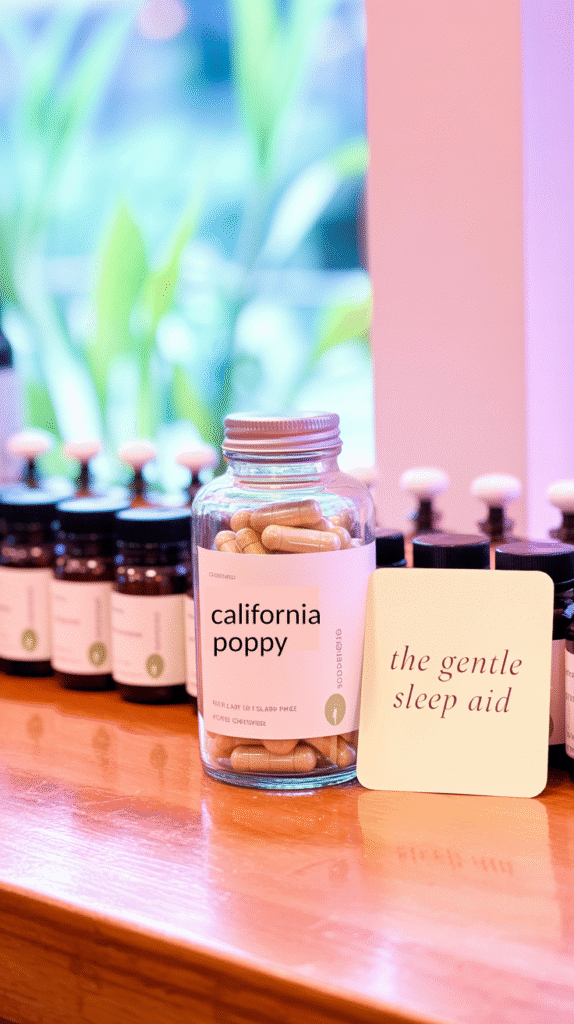
Don’t confuse this with its infamous cousin—California poppy is completely legal and wonderfully gentle. This golden flower helps ease both physical tension and mental restlessness without leaving you groggy the next day.
It’s perfect for those nights when pain keeps you tossing and turning, or when muscle tension from stress compounds your discomfort.
How to use it: Brew 1-2 teaspoons of dried California poppy flowers in hot water for 10 minutes, or take 100-200mg of extract 1-2 hours before bed.
8. Skullcap: The Tension Tamer
American skullcap has earned its reputation as a premier nervine—an herb that specifically calms and nourishes the nervous system. It’s particularly effective for tension headaches, muscle spasms triggered by stress, and that “wired but tired” feeling that can amplify pain perception.
Many people find skullcap helpful during particularly stressful periods when their usual aches and pains seem magnified.
How to use it: Take 300-400mg of skullcap extract or drink 1-2 cups of skullcap tea throughout the day. It’s gentle enough for regular use.
9. Blue Vervain: The Stress-Pain Breaker
Blue vervain works beautifully for people whose pain is closely tied to emotional tension. This herb helps break the cycle where stress creates muscle tension, which creates more pain, which creates more stress.
It’s especially helpful for tension headaches that start at the base of the skull and for that tight feeling in your shoulders after a difficult day.
How to use it: Take 200-300mg of blue vervain extract twice daily, or enjoy it as a tea by steeping 1 teaspoon of dried herb in hot water for 15 minutes.
10. Valerian Root: The Night Shift Worker
While most people know valerian as a sleep aid, fewer realize it’s also an effective muscle relaxant. The same compounds that help you drift off to sleep also help release physical tension held in your muscles.
Valerian is particularly valuable for people with restless leg syndrome, muscle cramps, or general muscle tension that interferes with sleep.
How to use it: Take 300-600mg of valerian root extract 30-60 minutes before bedtime. Some people prefer valerian tea, though the taste is quite earthy.
11. Kava Root: The Island Remedy
Kava has been used ceremonially in Pacific Island cultures for centuries to promote peace, relaxation, and community bonding. From a therapeutic standpoint, kava’s kavalactones provide both anxiety relief and muscle relaxation.
This herb can be particularly helpful for people whose pain increases with anxiety or social stress. However, quality matters significantly with kava—always choose reputable sources.
How to use it: Start with 100-200mg of kavalactones daily, taken with food. Avoid alcohol and limit use to 2-3 months at a time to be safe.
12. Motherwort: The Heart Helper
Motherwort’s Latin name, Leonurus cardiaca, hints at its traditional use for heart-related issues. But this herb also excels at calming nervous tension and the physical symptoms that accompany emotional stress.
It’s particularly helpful for women dealing with hormone-related pain and tension, though anyone can benefit from its gentle, grounding effects.
How to use it: Take 200-400mg of motherwort extract twice daily, or enjoy 1-2 cups of motherwort tea. The tea has a bitter taste that some people grow to love.
Your Path to Natural Pain Relief

These natural pain killers and relaxants offer genuine alternatives for managing discomfort, but they work best as part of a comprehensive approach to wellness. Remember that herbs can be powerful medicine—they deserve the same respect you’d give any therapeutic intervention.
Start slowly with one herb at a time so you can gauge your body’s response. Keep a simple journal noting what you try, how much you take, and how you feel. This information becomes invaluable as you discover what works best for your unique situation.
Most importantly, consult with a healthcare provider, especially if you take medications or have underlying health conditions. Many herbs can interact with prescription drugs, and what works wonderfully for your neighbor might not be right for you.
The goal isn’t to replace professional medical care, but to expand your toolkit for managing pain and finding comfort in your daily life. These botanical allies have been helping humans find relief for thousands of years—now it’s your turn to discover their gentle power.
Ready to explore natural pain relief? Start with one herb that resonates with your specific needs, research reputable suppliers, and begin your journey toward natural comfort. Your body—and your medicine cabinet—will thank you.