
The 3 AM Mystery That Plagues Millions
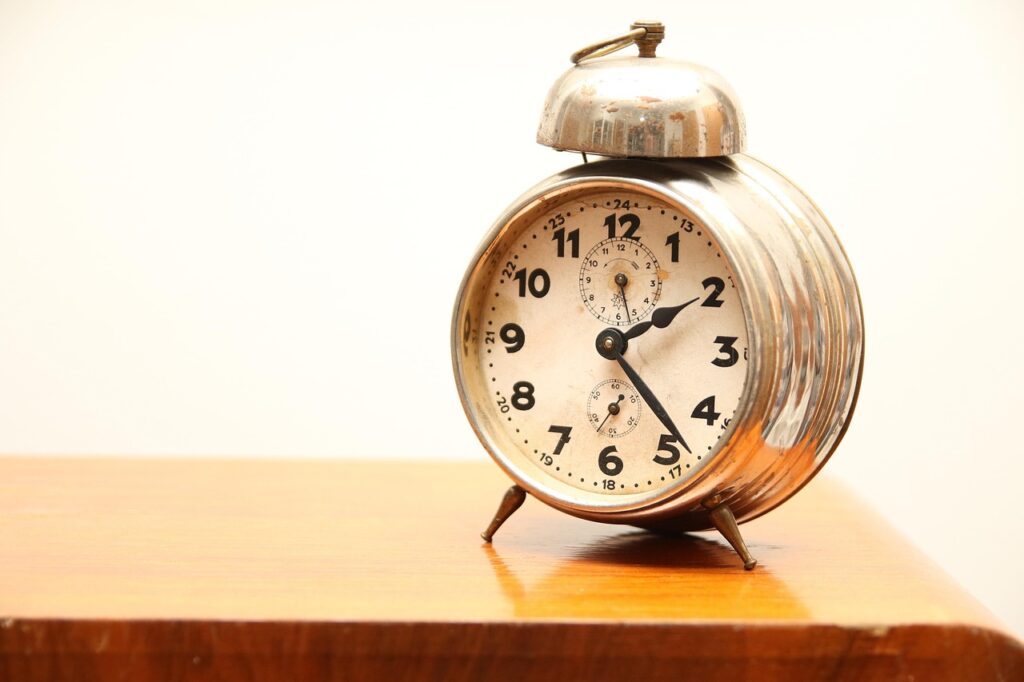
Louise had the same problem for months. Every night at exactly 2:23AM, her eyes would pop open like someone had flipped a switch. Sound familiar? If you’re nodding along, you’re part of a silent majority — over 50% of seniors struggle with sleep disruptions that leave them exhausted the next day.
Here’s what most people don’t realize: your sleep patterns naturally shift as you age, but that doesn’t mean you have to accept restless nights as your new normal. The difference between seniors who sleep soundly and those who toss and turn often comes down to seven simple adjustments that take just minutes to implement.
Why Sleep Becomes Harder (And Why It Matters More Than Ever)

As we get older, our bodies produce less melatonin and growth hormone — the very chemicals that help us fall asleep and stay asleep. Meanwhile, quality rest becomes even more critical for:
- Keeping your memory sharp and focused
- Maintaining steady energy throughout the day
- Reducing chronic pain and inflammation
- Strengthening your immune system against illness
The good news? You don’t need expensive gadgets or complicated routines to reclaim your nights.
1. The “Gentle Landing” Evening Routine

What it is: Think of bedtime as a gentle landing instead of an abrupt stop.
How to do it: Start your wind-down ritual 30-60 minutes before you want to be asleep. This might include:
- Dimming the lights throughout your home
- Reading a lighthearted book (nothing too exciting!)
- Listening to soft instrumental music
- Doing 5-10 minutes of gentle stretches
Why it works: When you repeat the same calming habits each night, your brain learns to recognize them as signals that sleep is coming. Even 15 minutes of consistent routine can help your body shift gears naturally.
Real example: Tom, 68, struggled with insomnia until he started making herbal tea at 9 PM every night while listening to classical music. Within two weeks, just the sound of the kettle whistling made him feel drowsy.
2. Beat the Blue Light That’s Stealing Your Sleep

The problem: Phones, tablets, and TVs emit blue light that tricks your brain into thinking it’s still daytime, blocking melatonin production for up to 3 hours.
The solution: Create a “digital sunset” one hour before bed. Instead of screens, try:
- Journaling about your day or tomorrow’s plans
- Working on a crossword puzzle or gentle word game
- Listening to audiobooks or podcasts (use a sleep timer)
- Having a quiet conversation with your partner
Pro tip: If you must use devices, invest in blue light blocking glasses or enable night mode settings.
3. Transform Your Bedroom Into a Sleep Sanctuary

Temperature: Keep your bedroom between 65-68°F. Your body temperature naturally drops as you fall asleep, and a cool room helps this process.
Lighting: Darkness signals your brain to produce melatonin. Consider:
- Blackout curtains or an eye mask
- Covering LED lights on electronics
- Using a dim red nightlight if needed (red light doesn’t disrupt sleep)
Sound: Consistent, gentle background noise can mask disruptive sounds:
- White noise machines
- A quiet fan
- Earplugs if your partner snores
Comfort: Your mattress and pillows should support your preferred sleep position without causing pain or pressure points.
4. The Surprising Foods That Help (And Hurt) Your Sleep

Timing matters: Finish larger meals 3-4 hours before bed, and limit caffeine to before 2 PM.
Alcohol truth: While a nightcap might make you drowsy initially, it disrupts deep sleep cycles and often causes early morning wake-ups.
Sleep-promoting bedtime snacks (choose based on your dietary needs):
Traditional options:
- Banana with a small handful of almonds
- Warm milk with honey
- Tart cherry juice (natural melatonin source)
Gluten-free choices:
- Rice cakes with almond butter
- Greek yogurt with berries
- Small bowl of gluten-free oatmeal
Carnivore-friendly ideas:
- Slice of turkey or chicken
- Hard-boiled egg
- Small portion of cheese (if well-tolerated)
These foods contain tryptophan, magnesium, or natural melatonin that can help you drift off more easily.
5. Natural Sleep Aids That Actually Work

Herbal teas (drink 30-60 minutes before bed):
- Chamomile: Contains apigenin, which binds to brain receptors that promote sleepiness
- Passionflower: May increase GABA, a calming brain chemical
- Valerian root: Often called “nature’s Valium” for its relaxing effects
Gentle supplements (always consult your doctor first):
- Magnesium glycinate: 200-400mg helps relax muscles and calm the nervous system
- Melatonin: Start with 0.5-1mg, taken 2 hours before desired sleep time
Essential oils:
- Lavender on your pillow or in a diffuser
- Bergamot for stress relief
- Sandalwood for deep relaxation
6. The Movement-Sleep Connection

The science: Regular daytime activity helps regulate your circadian rhythm and burns off excess energy that might keep you awake.
Best activities for seniors:
- Morning walks: 20-30 minutes of sunlight exposure helps set your internal clock
- Gentle yoga or tai chi: Reduces stress and improves flexibility
- Chair exercises: Perfect if mobility is limited
- Swimming or water aerobics: Easy on joints while providing good exercise
Timing tip: Avoid vigorous exercise within 3 hours of bedtime, as it can be too stimulating.
7. Quick Relaxation Techniques for Racing Minds

The 4-7-8 breathing method:
- Inhale through your nose for 4 counts
- Hold your breath for 7 counts
- Exhale through your mouth for 8 counts
- Repeat 3-4 times
Progressive muscle relaxation: Starting with your toes, tense each muscle group for 5 seconds, then release. Work your way up to your head, noticing the contrast between tension and relaxation.
The worry journal technique: Keep a notebook by your bed. If anxious thoughts keep you awake, write them down with a plan to address them tomorrow. This helps your brain let go of the “need to remember.”
Your Sleep Action Plan: Start Tonight

Don’t try to implement everything at once. Instead, choose 1-2 techniques that resonate with you:
Week 1: Pick one habit (like the evening routine or limiting screens) Week 2: Add a second element (perhaps optimizing your sleep environment) Week 3: Introduce natural aids or relaxation techniques Week 4: Fine-tune and add movement to your day
The Bottom Line
Better sleep isn’t about perfection — it’s about consistency. These seven strategies have helped thousands of seniors reclaim their nights and wake up feeling refreshed. You don’t have to accept restless sleep as part of aging.
Your next step: Choose one technique from this list and try it tonight. Sweet dreams are closer than you think.
What’s your biggest sleep challenge? Have you tried any of these techniques? Share your experience in the comments below — your story might be exactly what another reader needs to hear.