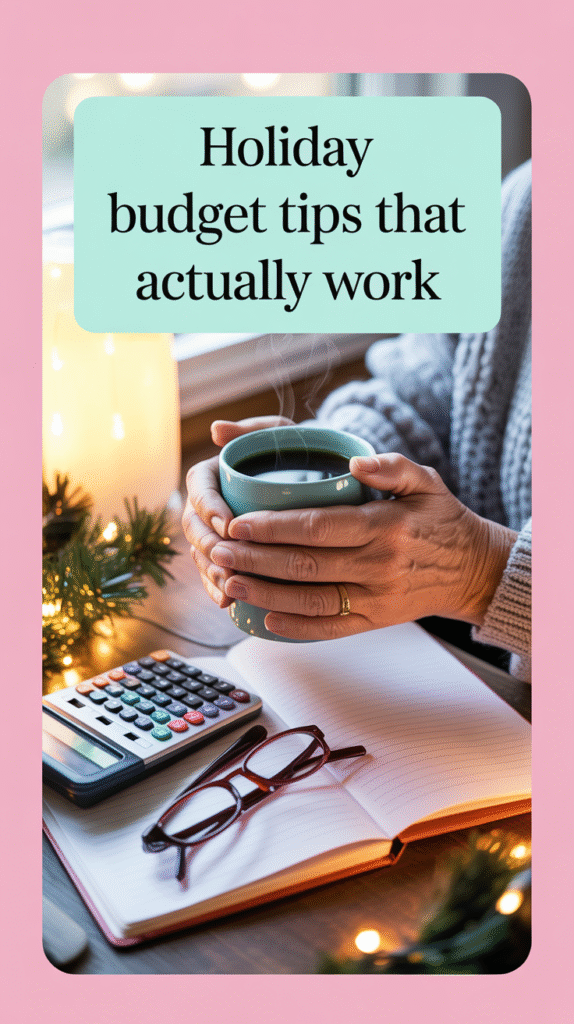



Last December, my neighbor Doris confided something that stopped me in my tracks. “I love the holidays,” she said, stirring her coffee slowly, “but every January, I feel like I’ve been hit by a financial truck.” Sound familiar?
Here’s the thing most of us don’t want to admit: year-end expenses have a sneaky way of piling up. Holiday gifts, travel costs, higher heating bills, medical deductibles resetting, and those surprise expenses that seem to multiply like holiday cookies. For those of us on fixed incomes or tight budgets, it can feel overwhelming.
But here’s what I’ve learned after years of helping people prepare their finances for year-end expenses—it doesn’t have to be this way. With a little planning and some simple, doable steps, you can navigate the season with confidence instead of dread. No complicated spreadsheets or financial jargon required.
Review Your Current Budget (Yes, Even the Messy One)

Let’s start with the basics. Pull out your bank statements or whatever system you use to track money coming in and going out. Don’t panic if you don’t have a formal budget—most people don’t.
Look at three things: your regular income, your monthly bills, and any extra costs that pop up this time of year. This might include holiday spending, higher utility bills, property taxes, or insurance premiums.
Here’s a quick trick that saved my friend Tom nearly $200 last year: scan through your bank statements for subscription services you forgot about. That streaming service you signed up for during a free trial? The gym membership you haven’t used since March? Pause or cancel what you don’t need right now. You can always restart them later.
Simple tip: Use whatever works for you—a notebook, your phone’s calculator, or a basic budgeting app. The goal isn’t perfection; it’s awareness.
Plan for Holiday Spending Without the Guilt

Here’s where many of us go wrong: we either avoid thinking about holiday spending entirely or we set unrealistic expectations that lead to January credit card regret.
Instead, decide on a number you can comfortably spend without losing sleep. Write it down. This includes gifts, special meals, travel, and entertainment. If that number feels too small, remember that the best gifts often aren’t the most expensive ones.
My aunt Sarah has become legendary in our family for her “experience gifts”—handwritten coupons for homemade dinners, afternoon walks, or help with spring cleaning. Last year, she regifted a beautiful scarf she’d never worn to her daughter, who absolutely loved it. Nobody felt shortchanged.
Money-saving gift ideas that actually work:
- Homemade treats in nice containers you already have
- Photo albums or scrapbooks using pictures from your phone
- Offering your time and skills (babysitting, cooking, gardening help)
- Thoughtful regifting of items in excellent condition
Setting spending limits isn’t about being cheap—it’s about being intentional so you can actually enjoy the season.
Prepare for Medical and Insurance Costs

This one catches people off guard every year. If you have Medicare or other health insurance, your deductibles likely reset in January. That means any medical expenses you’ve been putting off might be cheaper to handle before year-end.
Take a few minutes to review where you stand with your deductible and out-of-pocket maximums. If you’re close to meeting them, it might make sense to schedule that dental cleaning or eye exam now rather than waiting.
My neighbor Jim learned this the hard way. He delayed a minor procedure until January and ended up paying full price when he could have had it covered under his previous year’s deductible.
Quick action items:
- Call your doctor’s office about any routine care you’ve delayed
- Refill prescriptions if you’re close to your insurance coverage limits
- Set aside money for co-pays and prescriptions that aren’t fully covered
Even keeping $50-100 in a separate envelope for medical surprises can provide real peace of mind.
Look Ahead at Tax-Related Items

I know, I know—nobody wants to think about taxes during the holidays. But spending 30 minutes on this now can save you money and stress later.
Start gathering receipts for things that might be deductible: medical expenses that exceeded a certain percentage of your income, charitable donations, or business expenses if you do any freelance work. A shoebox or large envelope works fine—you don’t need anything fancy.
If you contribute to a retirement account, check if you can make any small additional contributions before the year ends. Even $25 or $50 can add up over time and might provide a small tax benefit.
For seniors: Many communities offer free tax preparation services through AARP or local senior centers. It’s worth asking around now about what’s available in your area for next year.
Plan for Utility and Seasonal Expenses

Winter utility bills can be brutal, especially with unpredictable weather patterns. If your utility company offers budget billing (where you pay the same amount each month based on your annual usage), consider signing up. It makes planning much easier.
My friend Ruth swears by stocking up on essentials before prices potentially increase or before bad weather makes shopping difficult. She keeps a running list of non-perishable items to grab when they go on sale: canned goods, toiletries, cleaning supplies, and any medications she takes regularly.
Winter preparation that won’t break the budget:
- Check your local food bank for seasonal produce and pantry staples
- Buy generic brands for items you use regularly
- Consider cooking more meals at home—soups and stews are budget-friendly and warming
- Use your library for entertainment instead of buying books or renting movies
Small adjustments in your grocery and household spending can free up money for other year-end expenses.
Create a Small Emergency Buffer
Here’s what I wish someone had told me years ago: you don’t need hundreds of dollars sitting in an emergency fund to make a difference. Even having $50-100 set aside for surprises can prevent that sinking feeling when something unexpected comes up.
Start small. Put away $10 or $20 each week if you can manage it. Use cashback from credit cards, coins from your change jar, or small windfalls like rebates or gifts of money.
My cousin Linda used an old coffee can to collect loose change and bills throughout the year. By December, she had nearly $150—enough to cover her increased heating bills without stress. The peace of mind was worth more than the money itself.
Easy ways to build a small buffer:
- Save any $5 bills that come your way
- Put rebates and cashback rewards directly into savings
- Use the “pay yourself first” method—even $1 a day adds up to $365 over a year
- Save windfall money like tax refunds or gifts instead of spending them immediately
Start Fresh for the New Year

As this year winds down, take a moment to think about what worked and what didn’t with your money management. No judgment—just honest reflection.
Maybe you discovered that you spend more on groceries than you realized, or that having a small emergency fund really did reduce your stress. Perhaps you learned that you enjoy giving experiences more than buying gifts, or that you can live without certain subscriptions.
Set one or two small, specific financial goals for next year. Not “save more money” but something like “put $25 a month into a holiday fund” or “review my subscriptions every three months.” Small, consistent actions create lasting change much better than dramatic resolutions that fizzle out by February.
Remember: progress, not perfection, makes the biggest difference in your financial well-being.
Moving Forward with Confidence

Here’s what I want you to remember as you prepare your finances for year-end expenses: you don’t need to be perfect, and you don’t need a lot of money to start feeling more secure. You just need to be intentional.
Financial peace isn’t about having unlimited resources—it’s about making thoughtful choices with whatever resources you have. When you plan ahead, even in small ways, you transform potential stress into manageable tasks. Instead of dreading January’s bills, you can actually enjoy the holiday season.
The families and individuals I know who feel most confident about their finances aren’t necessarily the ones with the most money. They’re the ones who pay attention, plan ahead, and make adjustments as needed. They’ve learned that taking small, consistent actions creates much better results than trying to fix everything at once.
Your next step: Choose just one suggestion from this article and try it this week. Maybe it’s reviewing your subscriptions, setting a holiday spending limit, or starting a small emergency fund with whatever loose change you have around the house. Small steps lead to big changes over time.
What money-saving strategies have worked for you during the holidays? I’d love to hear your ideas and experiences—sometimes the best tips come from people who’ve figured out creative solutions to common challenges. Feel free to share your thoughts and connect with others who are working toward the same goals of financial peace and holiday enjoyment.