



I remember my first negative experience with medication like it was yesterday. My doctor prescribed methotrexate and sent me to the infusion center twice a week. I went in hopeful — I wanted relief, healing, maybe even a piece of my old life back. But instead, each week I left feeling sicker than the one before. My body was exhausted, my stomach was in knots, and the fatigue hit harder than the illness itself ever had.
That’s when it really sank in — sometimes, the treatments meant to help us end up breaking us down even more. And what’s worse? It often feels like our doctors don’t truly see what’s happening. They don’t sit with us in the aftermath, in the days when we’re too nauseated or drained to move. Many never ask what it’s really like once we leave their office.
Why Side Effects Can Feel Worse Than the Illness

Most people start medication with hope — hope for relief, stability, or a step toward feeling normal again. But for many of us, especially those with autoimmune or chronic inflammatory conditions, the side effects can hit harder than we ever expected.
Drugs like methotrexate, steroids, and biologics are designed to calm the immune system, but they can also drain the body’s natural energy, upset the stomach, cause nausea, hair loss, headaches, or leave us feeling emotionally flat. Suddenly, the medicine that’s supposed to help us live better makes even basic daily routines harder to handle.
And it’s not just physical. The emotional toll can be just as heavy. When you spend your days trying to recover from your treatment, you start to wonder — is this really healing, or just a different kind of suffering?
Sometimes, the problem isn’t the medication itself but how it’s prescribed and monitored. Too often, doctors focus on lab numbers, not lived experience. They adjust doses and check boxes but forget that behind those numbers is a person who’s trying to survive the side effects day after day.
Learning to Speak Up for Yourself

When medications start making you feel worse, it’s easy to doubt yourself — to think maybe this is just the price you pay for healing. But your voice matters, and no one knows your body better than you.
Start by tracking how you feel each day — not just your pain or fatigue, but also things like mood changes, digestion, and sleep. Bring that information to your doctor appointments so you can show patterns rather than vague complaints. It’s hard for anyone to ignore what’s written down in black and white.
If your doctor brushes off your concerns, don’t be afraid to ask questions like:
- Could we try a lower dose or a different form?
- Are there natural supports that might reduce the side effects?
- What are the real risks if we pause or switch treatments?
A good doctor won’t feel threatened by those questions — they’ll welcome them. But if you feel unheard, it might be time to find someone who truly listens.
Remember, you’re not being “difficult” by advocating for yourself. You’re protecting the only body you’ll ever have.
Supporting Your Body Naturally While on Medication
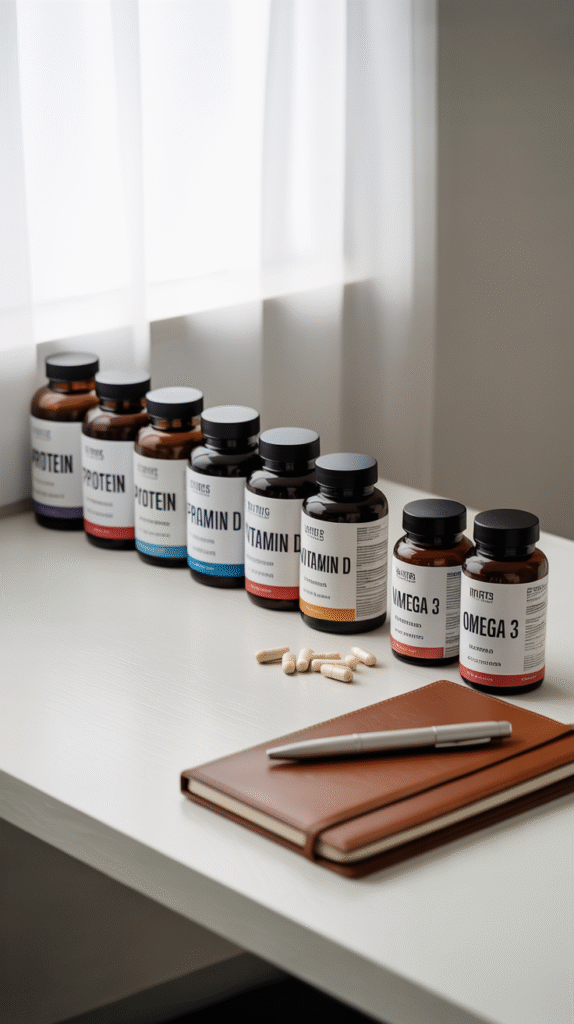
Even when medication is necessary, you don’t have to feel powerless. There are gentle, natural ways to help your body handle the stress of those treatments and lessen the side effects. Think of it as giving your system a little backup support while it does the hard work.
1. Nourish your liver and digestion
Your liver does the heavy lifting when it comes to processing medications. Support it with plenty of water, leafy greens, and anti-inflammatory foods like turmeric, ginger, and berries. Herbal teas such as dandelion or milk thistle can also be soothing, but always double-check interactions before starting anything new.
2. Rebuild your gut
Many meds, especially autoimmune drugs, disrupt the gut microbiome — leading to fatigue, nausea, and brain fog. Adding probiotics, fermented foods, or bone broth can help restore balance and improve how your body absorbs nutrients.
3. Keep inflammation in check naturally
Omega-3s (from fish oil or flax), turmeric, and Boswellia can help calm inflammation without harsh side effects. Gentle movement — even stretching or short walks — keeps circulation flowing and supports detox.
4. Rest like it’s medicine
When your body’s fighting both illness and medication effects, rest isn’t lazy — it’s recovery. Listen to your body’s cues and give yourself grace on the hard days.
5. Emotional care matters too
Stress amplifies side effects. Breathing exercises, meditation, prayer, journaling, or time outdoors can lower cortisol and help your body recover more smoothly.
Finding Peace in the Healing Process

On the toughest days — the ones when fatigue, nausea, or pain seem to take over — I’ve learned that healing isn’t always about doing more. Sometimes, it’s about creating calm.
One thing that helps me is playing soft ambient music in the background — whether I’m at home, driving, or even sitting in the doctor’s office. It has this way of quieting the noise inside my head and letting my body relax, even for a few moments. That small shift can make the day feel a little lighter.
Healing isn’t a straight line, and it’s rarely easy when medication side effects start to steal your spark. But there’s power in awareness — in listening to your body, questioning what doesn’t feel right, and finding balance between modern medicine and natural care.
You deserve to feel well, not just survive. And the more you listen to what your body is trying to tell you, the closer you’ll get to that kind of peace.