

Small Steps To Success
Last Tuesday, my neighbor Susan stood in her living room and cried. Not because anything was wrong—but because she could finally see her coffee table for the first time in months. She’d spent just ten minutes clearing it the night before, and that small victory changed everything.
If your home feels overwhelming, you’re not alone. Clutter doesn’t just take up physical space—it drains mental energy, creates safety hazards, and makes everyday tasks harder. The good news? You don’t need a weekend marathon or a professional organizer to reclaim your space. With these home organization tips and senior-friendly decluttering strategies, you can transform your home one small step at a time.
Start Small – Choose One Area at a Time
The biggest mistake people make when decluttering? Trying to tackle everything at once.
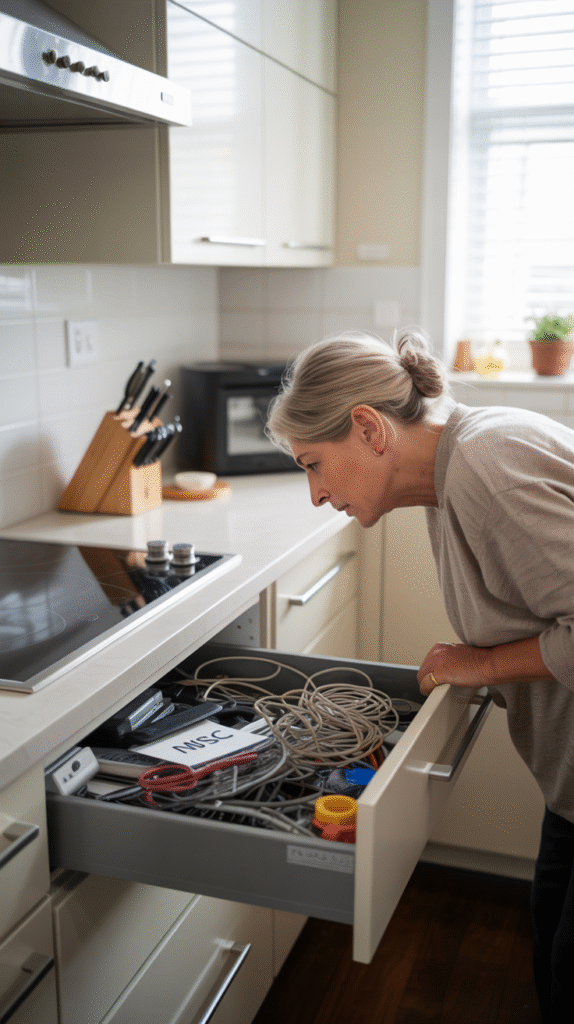
Instead, pick a single drawer, one shelf, or even just the top of your nightstand. Set a timer for 10-15 minutes and work only in that space. When the timer goes off, you’re done—even if you’re not finished.
This approach works because it prevents burnout and builds momentum. My friend Tom started with his junk drawer on a Monday. By Friday, he’d organized his entire kitchen—not because he planned to, but because those small wins felt so good he kept going.
Sort Items with Simple Categories
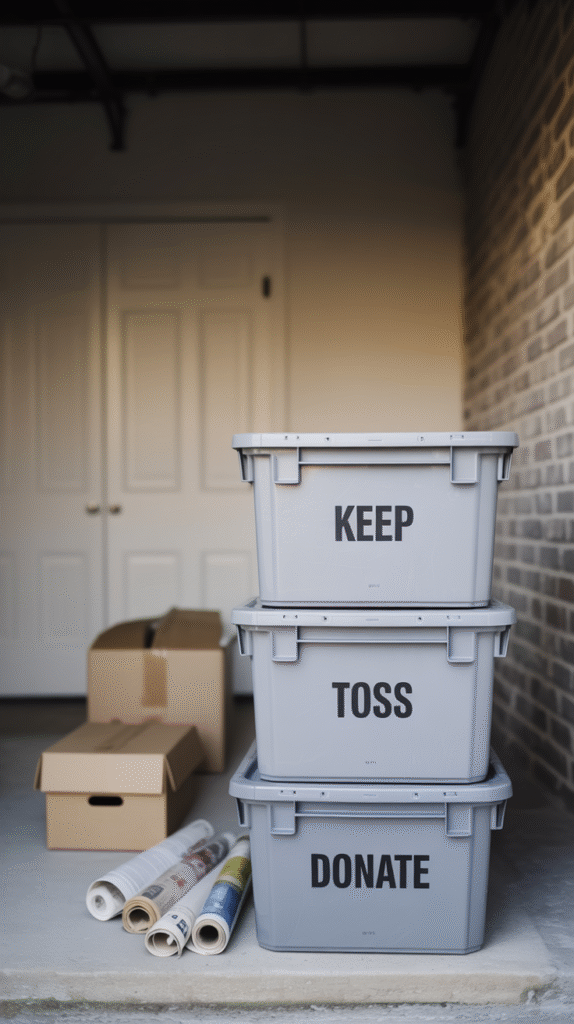
Decluttering doesn’t have to be complicated. Use three simple categories:
- Keep: Items you use regularly or truly love
- Donate: Things in good condition you no longer need
- Trash/Recycle: Broken, expired, or unusable items
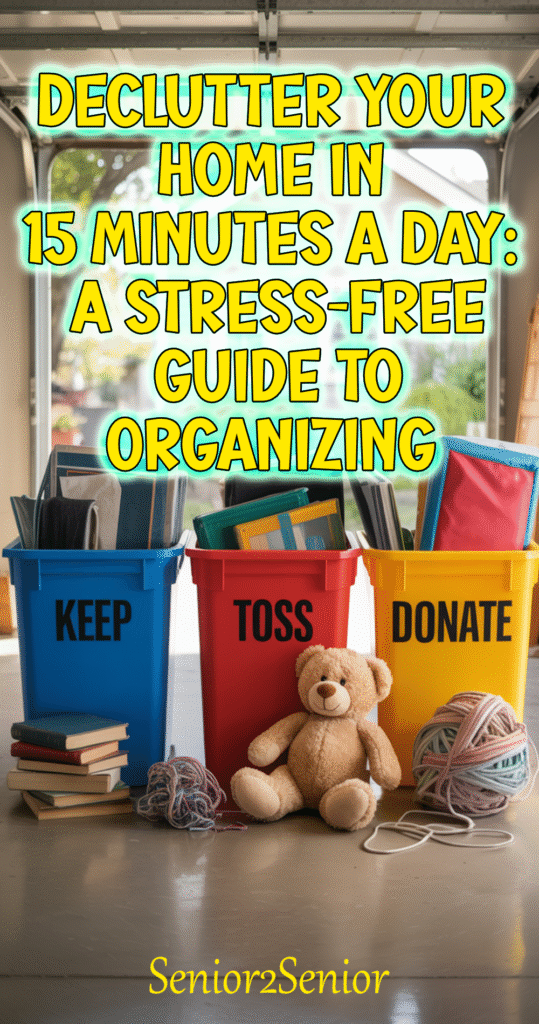
Grab three boxes or clear bins and label them. Seeing items sorted physically helps your brain process decisions faster. Plus, clear bins let you see your progress, which is incredibly motivating.
For seniors: If you’re dealing with heavier items like books or kitchen appliances, ask a family member or friend for help. There’s no medal for doing it alone, and safety comes first.
Use Daily Routines to Maintain Order
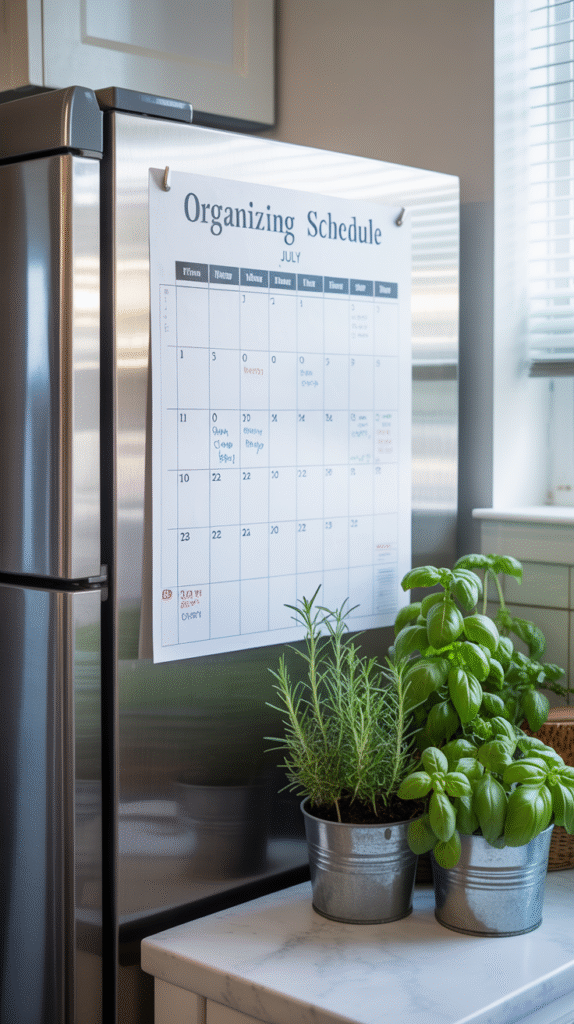
Here’s a secret: staying organized is easier than getting organized.
Spend just five minutes each day tidying one area—maybe the kitchen counter before bed or the entryway table in the morning. Make it part of your routine, like brushing your teeth. Put things back in their proper place immediately instead of creating “I’ll deal with this later” piles.
Maria, a 68-year-old retired teacher, swears by her “sunset tidy.” Every evening at 6 PM, she spends five minutes clearing her living room. “It’s become automatic,” she told me. “And I wake up to a peaceful space every morning.”
Focus on High-Traffic Areas First
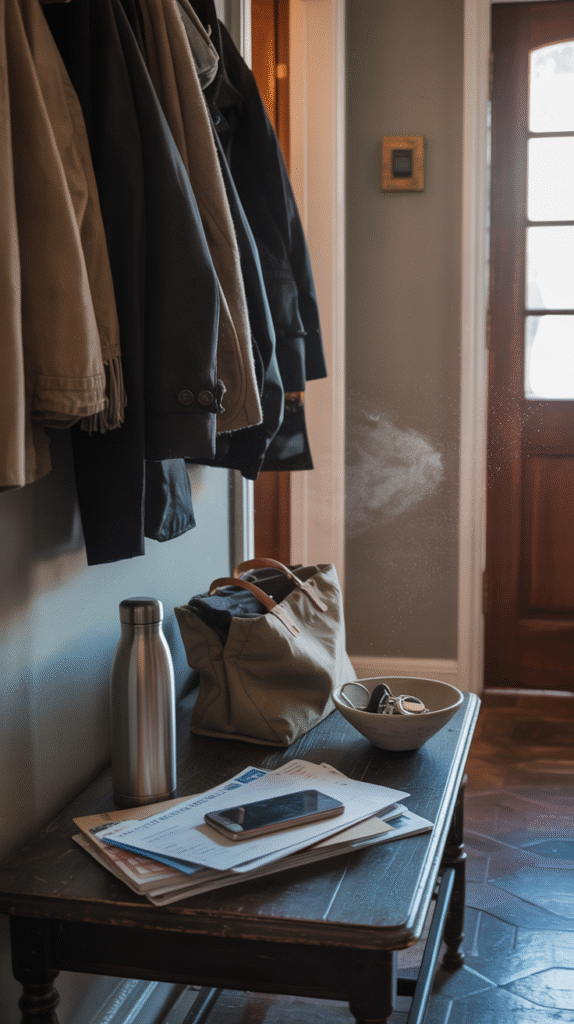
Not all clutter is created equal. Start with the spaces that impact your daily life most:
- Kitchen counters – Clear surfaces make meal prep easier and safer
- Living room – A tidy main space reduces stress and improves relaxation
- Entryways – Remove trip hazards like shoes, bags, and mail piles
These areas cause the most frustration when cluttered, so cleaning them delivers the biggest mood boost. You don’t need Pinterest-perfect organization—just clear enough to move safely and find what you need.
Quick tip: Keep a small basket near the door for items that need to go upstairs or to another room. Once a day, empty it by putting things where they belong.
Declutter Digitally Too

Physical clutter isn’t the only thing weighing you down. A chaotic digital space creates stress too.
Set aside 15 minutes to tackle your digital clutter:
- Emails: Unsubscribe from newsletters you don’t read and delete old messages
- Photos: Create simple folders by year or event—don’t aim for perfection
- Desktop: Move files into clearly labeled folders instead of leaving them scattered
Try apps like Google Photos for automatic organization or simple folder systems like “2025 Taxes,” “Family Photos,” and “Recipes.” The goal isn’t perfection—it’s being able to find what you need without frustration.
Senior-Friendly Decluttering Tips for Safety and Ease
Home organization tips should work for your body, not against it. If you’re a senior or have limited mobility, these strategies make decluttering safer and more manageable:
- Sit while you work: Pull up a comfortable chair and bring items to you instead of reaching or bending repeatedly
- Use a rolling cart: Move items between rooms without carrying heavy loads
- Label everything: Large, clear labels on drawers and bins save time and prevent confusion
- Store items at waist height: Keep frequently used things where you can reach them without climbing or stooping
- Take breaks: There’s no rush—rest when you need to
Robert, 72, uses a small folding table on wheels for his decluttering projects. “I load it up with things from one room, wheel it to another, and sort from my recliner,” he explains. “It’s changed the game for me.”
Your Decluttered Home Starts Today
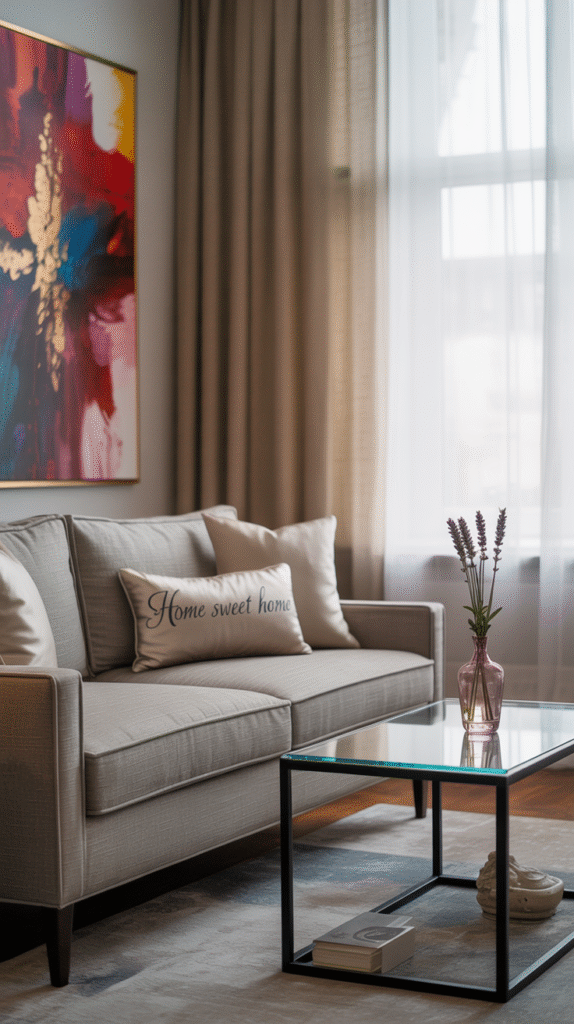
You don’t need to overhaul your entire house this weekend. You don’t even need to finish a whole room. You just need to start—with one drawer, one shelf, one corner.
Small, steady actions lead to big results. A decluttered home isn’t just about aesthetics—it’s about safety, peace of mind, and making your daily life easier. Every item you clear creates more physical space and mental breathing room.
So set your timer for 10 minutes right now. Choose one small area. Sort it into keep, donate, and trash. You’ll be amazed at what you can accomplish—and how good it feels.
Your coffee table is waiting to be rediscovered. What will you clear first?
