


Have you ever noticed how a heavy meal before bed leaves you tossing and turning all night? Or perhaps you’ve experienced that strange phenomenon where you feel drowsy after a big lunch, yet struggle to fall asleep at bedtime despite eating the same types of foods?
You’re not imagining things. The connection between what we eat and how well we sleep is more powerful than most people realize – and it becomes even more crucial as we age. While we often focus on sleep hygiene like dark rooms and comfortable mattresses, we might be overlooking one of the most impactful factors: our nutrition.
After 50, quality sleep becomes a non-negotiable foundation for everything else in our lives. It’s when our bodies repair muscle tissue, consolidate memories, and recharge our immune systems. Poor sleep doesn’t just leave us groggy – it can accelerate aging, weaken our defenses against illness, and cloud our thinking.
In this guide, you’ll discover exactly how nutrition impacts your sleep quality, which foods can help you drift off naturally, and simple changes you can make starting tonight to wake up more refreshed tomorrow morning.
Some blog articles may contain affiliate links to products or services for which we could receive a commission on transactions. A.I. generators may assist some of the content on this blog site.
The Fascinating Link Between Food and Sleep
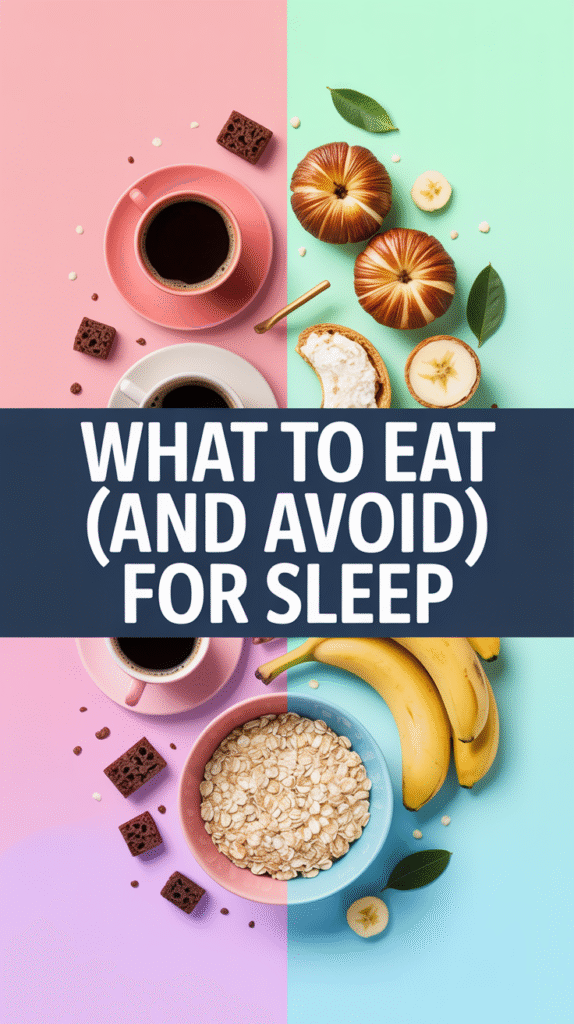
Your evening meal does far more than satisfy hunger – it sets the stage for your entire night’s rest. Here’s what happens behind the scenes when nutrition meets sleep science.
How Nutrients Influence Your Sleep Hormones
Every bite you take influences the production of melatonin and serotonin, your body’s natural sleep-wake regulators. Melatonin, often called the “sleep hormone,” is actually made from serotonin, which your body creates using nutrients from food.
Tryptophan, an amino acid found in foods like turkey and milk, serves as the building block for serotonin production. But here’s the catch – tryptophan needs help crossing into your brain, and it gets that help from carbohydrates. This is why a small bedtime snack combining protein and complex carbs can be more effective than either alone.
Blood Sugar Stability: Your Sleep’s Silent Guardian
Think of your blood sugar as the conductor of your sleep orchestra. When levels spike and crash throughout the night, they trigger stress hormone releases that jolt you awake. Many people who experience 3 AM wake-ups are actually dealing with blood sugar dips that signal their brain to release cortisol and adrenaline.
Stable blood sugar, maintained through balanced nutrition throughout the day, allows your nervous system to stay calm and your sleep cycles to flow naturally from one stage to the next.
Your Gut-Sleep Connection
Your digestive system and sleep quality are intimately connected through what scientists call the “gut-brain axis.” About 90% of your body’s serotonin is actually produced in your gut, not your brain. When your digestive system is working overtime processing heavy or problematic foods, it can’t focus on producing the neurochemicals needed for quality rest.
Foods That Naturally Promote Better Sleep

Rather than reaching for sleep aids, consider stocking your kitchen with these natural sleep supporters that work with your body’s own systems.
Magnesium: Nature’s Relaxation Mineral
Magnesium acts like a natural muscle relaxer and nervous system calmer. Many adults are deficient in this crucial mineral, which might explain why magnesium-rich foods often lead to noticeably better sleep.
Best sources include:
- Dark leafy greens like spinach and Swiss chard
- Nuts and seeds, especially pumpkin seeds and almonds
- Dark chocolate (in moderation)
- Avocados and bananas
Try a small handful of pumpkin seeds as an evening snack – they’re one of the most concentrated sources of bioavailable magnesium.
Tryptophan-Rich Foods for Natural Drowsiness
While turkey gets all the attention for its tryptophan content, many other foods provide this sleep-promoting amino acid in forms your body can easily use.
Excellent tryptophan sources:
- Eggs (especially the yolks)
- Dairy products like Greek yogurt or cottage cheese
- Seeds like sesame and sunflower
- Fish, particularly salmon and tuna
A small bowl of Greek yogurt with a sprinkle of sesame seeds makes an ideal pre-bedtime snack that combines tryptophan with sleep-supporting nutrients.
Complex Carbohydrates: Your Sleep Cycle’s Best Friend
Complex carbs don’t just provide sustained energy during the day – they also help transport tryptophan to your brain in the evening. Unlike simple sugars that create energy spikes, complex carbohydrates support steady serotonin production.
Sleep-friendly complex carbs:
- Steel-cut oats or overnight oats
- Sweet potatoes and regular potatoes
- Quinoa and brown rice
- Whole grain toast
Consider a small bowl of oatmeal with sliced banana about 2 hours before bed. The combination provides both complex carbs and natural sugars that support melatonin production.
Herbal Teas: Ancient Wisdom for Modern Sleep

Certain herbs have been used for centuries to promote relaxation and sleep, and modern research confirms many of their traditional uses.
Most effective sleep teas:
- Chamomile: Contains apigenin, which binds to brain receptors that promote sleepiness
- Valerian root: Acts as a mild sedative and anxiety reducer
- Passionflower: Helps quiet racing thoughts
- Lemon balm: Reduces stress and promotes calm
Start with chamomile tea, as it’s the gentlest and most widely available. Drink it 30-60 minutes before your desired bedtime.
Healthy Fats for Hormone Production
Your body needs adequate healthy fats to produce sleep-regulating hormones. Without enough quality fats, hormone production suffers, leading to disrupted sleep patterns.
Best healthy fats for sleep:
- Avocados and olive oil
- Fatty fish like salmon, sardines, and mackerel
- Nuts and seeds
- Coconut oil (in moderation)
Foods and Habits That Sabotage Your Sleep
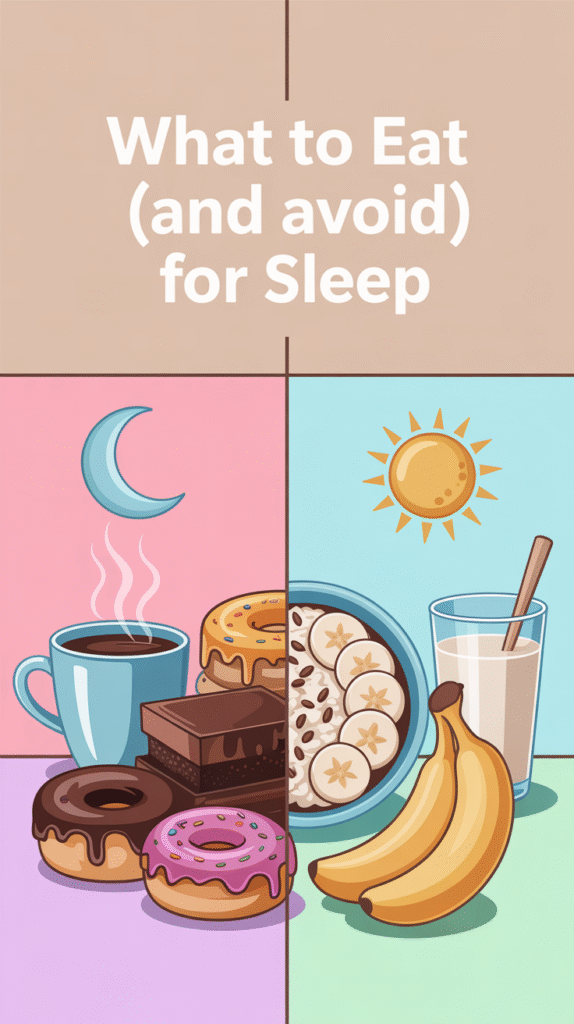
Just as certain foods promote sleep, others can keep you awake long after your head hits the pillow. Understanding these sleep disruptors helps you make better choices, especially in the hours before bedtime.
Caffeine’s Hidden Sleep Impact
Most people know that coffee can interfere with sleep, but caffeine’s effects are more complex and longer-lasting than many realize. Caffeine has a half-life of 5-7 hours, meaning if you have a cup of coffee at 2 PM, a quarter of that caffeine is still in your system at midnight.
Hidden caffeine sources to watch:
- Dark chocolate and chocolate desserts
- Green and black teas (though less than coffee)
- Some pain relievers and medications
- Energy drinks and certain sodas
If you’re sensitive to caffeine, consider switching to herbal teas after 2 PM. Even people who think they’re not affected by late-day caffeine often notice improved sleep quality when they eliminate it.
The Sugar-Sleep Disruption Cycle
Processed foods and added sugars create a rollercoaster effect that’s particularly disruptive to sleep. When blood sugar spikes from sugary foods, your body releases insulin to bring levels down. This process can trigger cortisol release and create the kind of internal “excitement” that makes falling asleep difficult.
Common sleep-disrupting foods:
- Candy, cookies, and desserts
- Refined breads and pastries
- Sugary cereals
- Processed snack foods
Instead of eliminating all sweets, try having them earlier in the day when your body can better manage the blood sugar fluctuations.
Heavy Meals: When Timing Matters Most

Large, heavy meals before bed force your digestive system to work overtime when it should be winding down. This internal activity can raise your core body temperature and make it harder to achieve the slight temperature drop that signals your brain it’s time to sleep.
Foods that are particularly disruptive before bed:
- Large portions of red meat
- Fried or very fatty foods
- Spicy dishes that can cause heartburn
- High-fiber foods that might cause digestive discomfort
Aim to finish substantial meals at least 3 hours before bedtime, allowing your digestive system to do most of its work while you’re still awake.
Alcohol: The Sleep Quality Thief
While alcohol might make you feel drowsy initially, it significantly disrupts sleep quality throughout the night. Alcohol prevents you from reaching the deeper, more restorative stages of sleep and often causes you to wake up frequently after the initial sedative effects wear off.
Even moderate alcohol consumption can reduce REM sleep, the stage crucial for memory consolidation and emotional processing. If you choose to drink alcohol, try to have your last drink at least 3 hours before bedtime.
Why Timing Your Meals Matters for Better Sleep

When you eat can be just as important as what you eat when it comes to sleep quality. Your body’s internal clock, or circadian rhythm, influences not just when you feel sleepy, but also when your digestive system is most efficient.
The Ideal Dinner Timeline
For most people, especially those over 50, eating dinner between 5:30 and 7:00 PM optimizes both digestion and sleep quality. This timing allows 3-4 hours for initial digestion before bedtime, reducing the likelihood that your digestive system will interfere with your sleep cycles.
Late dinners, especially those eaten after 8 PM, can shift your body’s natural rhythms and make it harder to fall asleep at your desired bedtime. Your core body temperature needs to drop slightly to signal sleep time, but active digestion keeps your internal temperature elevated.
The Late-Night Snacking Trap
While large late-night meals disrupt sleep, going to bed hungry can also keep you awake. The key is understanding the difference between true hunger and habit-driven snacking.
If you’re genuinely hungry before bed, choose a small snack that combines a bit of protein with complex carbohydrates. Good options include:
- A small apple with a tablespoon of almond butter
- Half a banana with a few nuts
- A small glass of tart cherry juice (natural source of melatonin)
- A few whole grain crackers with cottage cheese
Avoid snacks high in sugar, caffeine, or large amounts of liquid that might require bathroom trips during the night.
Creating Evening Nutrition Rituals
Developing consistent evening nutrition habits helps signal to your body that bedtime is approaching. This might include brewing herbal tea, preparing tomorrow’s breakfast, or simply sitting down for a few minutes with a sleep-supporting snack.
One woman I know credits her improved sleep to a simple ritual: every evening at 8 PM, she makes chamomile tea and sits quietly for 10 minutes while drinking it. This combination of calming herbs and mindful transition time helps her nervous system shift into sleep mode.
Supplements That May Support Better Sleep

While food should always be your first approach to better nutrition and sleep, certain supplements can provide additional support, especially if you have specific deficiencies or health concerns.
Melatonin: Understanding Proper Use
Melatonin supplements can be helpful, but they’re often misunderstood. Rather than being a sleeping pill, melatonin helps regulate your sleep-wake cycle. It’s most effective for people dealing with jet lag, shift work, or disrupted circadian rhythms.
Important melatonin guidelines:
- Start with the lowest possible dose (0.5-1 mg)
- Take it 2-3 hours before your desired bedtime
- Use it consistently for 2-3 weeks to reset your rhythm
- Consult your doctor, especially if you take other medications
Many over-the-counter melatonin supplements contain much higher doses than needed, which can actually disrupt your natural melatonin production.
Magnesium: The Gentle Sleep Supporter
Magnesium supplements can be particularly helpful for people who don’t get enough through food alone. Magnesium glycinate is often the best form for sleep support because it’s easily absorbed and less likely to cause digestive upset than other forms.
A typical dose ranges from 200-400 mg taken 1-2 hours before bed. Start with a lower dose to see how your body responds.
B-Vitamins for Sleep Regulation
B-vitamins, particularly B6, play crucial roles in neurotransmitter production. B6 helps convert tryptophan to serotonin, while other B-vitamins support overall nervous system function.
Rather than taking individual B-vitamins, a high-quality B-complex supplement taken with breakfast often provides the best support for sleep-wake cycles.
Herbal Sleep Supports
Several herbal supplements have research backing their sleep-promoting effects:
Valerian root: Works as a mild sedative and can help reduce the time it takes to fall asleep. Best taken 1-2 hours before bed.
Ashwagandha: An adaptogenic herb that helps your body manage stress and can improve sleep quality over time. Usually taken with dinner or 2 hours before bed.
L-theanine: An amino acid found in tea that promotes relaxation without drowsiness. Can be taken any time of day.
Always start with one supplement at a time so you can assess its effects, and consult with a healthcare provider before adding supplements, especially if you take medications.
Practical Sleep and Nutrition Tips for Better Rest

Knowledge without action doesn’t improve sleep quality. Here are practical strategies you can implement starting tonight to see real improvements in your rest.
Start a Food and Sleep Journal
For two weeks, track both what you eat and how well you sleep. Note:
- What and when you ate dinner
- Any evening snacks
- Caffeinated beverages and timing
- Alcohol consumption
- Sleep quality (1-10 scale)
- How you felt upon waking
You’ll likely notice patterns – perhaps you sleep poorly after eating spicy food, or you rest better when you have a small magnesium-rich snack before bed.
Create Your Personal Bedtime Nutrition Routine
Develop a consistent sequence of evening nutrition choices that signal bedtime to your body. This might look like:
8:00 PM: Last substantial food or drink (except water) 8:30 PM: Herbal tea preparation and mindful drinking 9:00 PM: Small sleep-supporting snack if needed 9:30 PM: Begin other bedtime preparations
Consistency helps strengthen your circadian rhythm and makes falling asleep more automatic.
Master the Hydration Balance
Proper hydration supports every function in your body, including sleep, but timing matters. Aim to get most of your fluid intake earlier in the day to avoid disruptive nighttime bathroom trips.
Hydration strategy:
- Drink plenty of water throughout the morning and afternoon
- Begin tapering fluid intake after dinner
- If you’re thirsty before bed, take small sips rather than drinking a full glass
- Keep a small glass of water bedside for dry mouth without overdoing it
Make Small, Consistent Changes
Rather than overhauling your entire diet at once, focus on one or two changes at a time. You might start by:
- Switching your afternoon coffee to herbal tea
- Adding a handful of nuts to your evening routine
- Moving dinner 30 minutes earlier
- Trying chamomile tea for a week
Small changes are more likely to become lasting habits, and you can build on each success to continue improving your sleep quality.
Listen to Your Individual Needs
Everyone’s body responds differently to foods and timing. What works wonderfully for your neighbor might not be ideal for you. Pay attention to your own patterns and responses.
Some people do better with a light snack before bed, while others sleep best on an empty stomach. Some are very sensitive to caffeine, while others can have tea in the evening without issues. Your food and sleep journal will help you identify your personal patterns.
Transform Your Sleep Starting Tonight

The connection between nutrition and sleep quality is both profound and practical. Small changes in what you eat, when you eat it, and how you approach evening nutrition can lead to dramatically better rest – often within just a few days.
Remember that good sleep isn’t a luxury; it’s a foundation for everything else in your life. Quality rest supports your immune system, helps maintain a healthy weight, keeps your mind sharp, and gives you the energy to enjoy your days fully.
Your action steps starting tonight:
- Choose one sleep-supporting food to try this evening
- Set a gentle deadline for your last substantial meal
- Brew a cup of chamomile tea and drink it mindfully
- Notice how these small changes affect your sleep quality
Better sleep through better nutrition isn’t about perfection – it’s about making consistent, small improvements that add up to significant changes in how rested and energized you feel.

What’s your biggest sleep challenge right now? Have you noticed connections between certain foods and your sleep quality? Share your experiences and questions in the comments below – your insights might help someone else discover their path to better rest.