

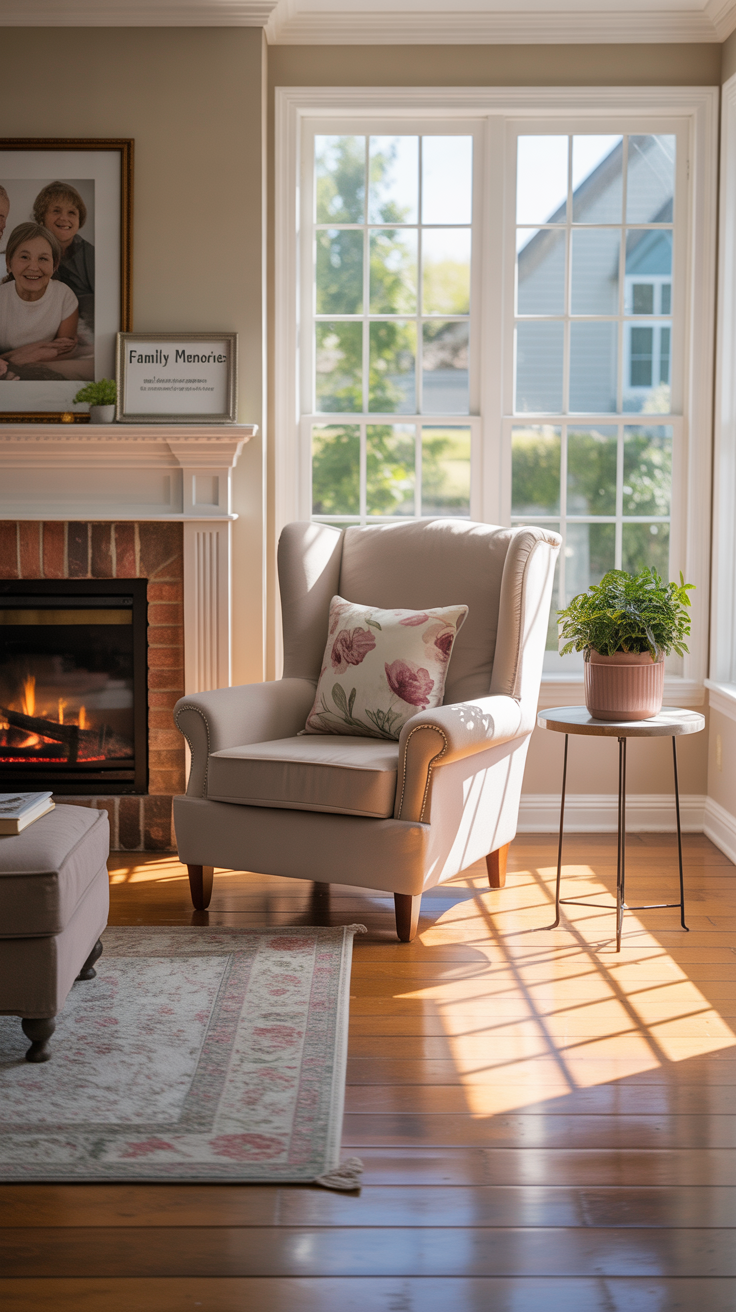
Sarah noticed her 78-year-old mother hesitating at the bottom of the stairs, gripping the banister tightly before each step. What used to be a confident climb had become a source of anxiety. That moment sparked a revelation: sometimes the smallest changes in our homes can make the biggest difference in how we feel about living there.
Some blog articles may contain affiliate links to products or services for which we could receive a commission on transactions. A.I. generators may assist with some of the content on this blog site.
If you’re looking to make your home—or a loved one’s home—safer and more comfortable, you’re not alone. The good news? Most simple home adjustments don’t require major renovations or big budgets. With a few thoughtful tweaks, any home can become a sanctuary that supports independence and peace of mind for years to come.
Creating a Safer Living Space: Your Foundation for Independence
Declutter Pathways for Worry-Free Movement
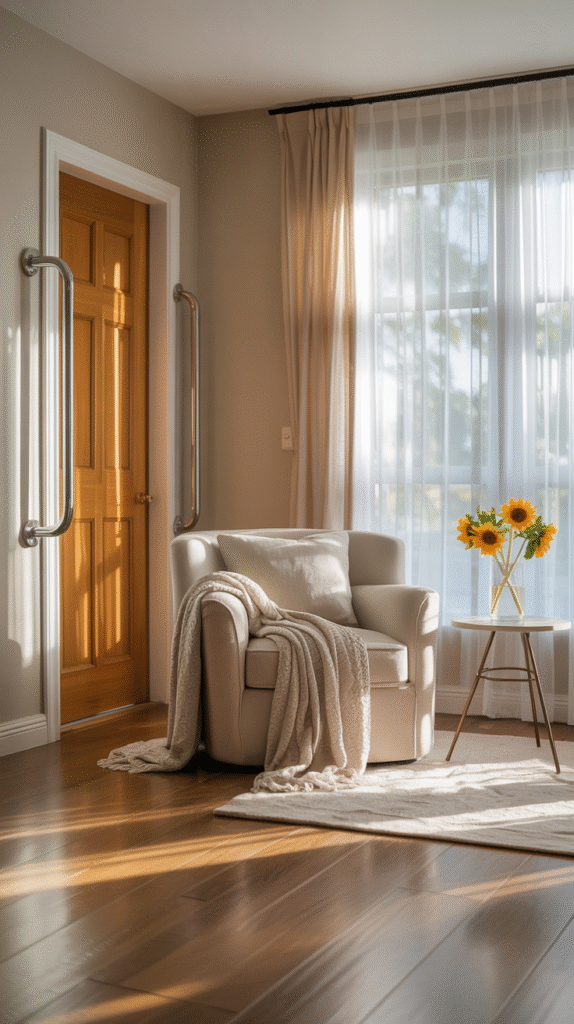
The path from bedroom to bathroom shouldn’t feel like an obstacle course. Start by removing loose rugs that can bunch up and cause trips. If you love your area rugs, secure them with double-sided carpet tape or invest in non-slip rug pads.
Next, tackle those sneaky extension cords. Route them along baseboards or use cord covers to keep walkways clear. In kitchens and bathrooms, add non-slip mats with suction cups—they’re your first line of defense against slippery surfaces.
Improve Lighting to Banish Dark Corners
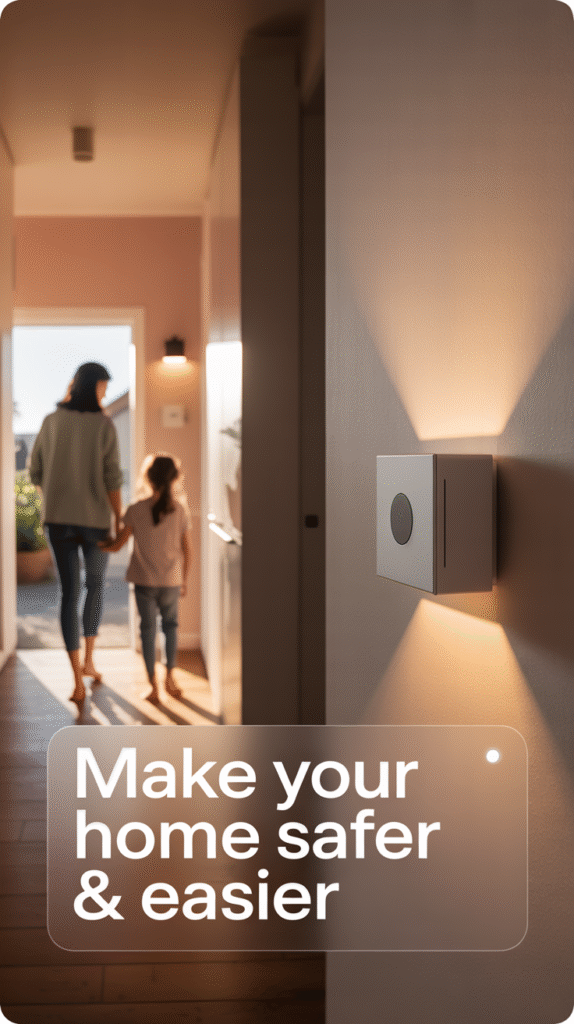
Dim lighting is more than just inconvenient; it’s dangerous. Replace standard 60-watt bulbs with brighter LED equivalents (100-watt equivalent LEDs use less energy while providing better illumination). Focus on areas where you need to see clearly: reading spots, kitchen counters, and stairways.
Consider motion-sensor night lights for hallways and bathrooms. These automatically illuminate your path during nighttime trips, eliminating the need to fumble for light switches in the dark. They’re battery-operated, easy to install, and cost around $15-20 each.
Handrails and Grab Bars: Your Steady Companions
Think of grab bars as helpful friends that are always there when you need them. Install them in showers, near toilets, and along any stairs. Look for bars that can support at least 250 pounds and have textured grips for better hold.
For hallways, consider adding a continuous handrail that runs along the wall. This creates a steady guide from room to room and provides constant support when walking longer distances.
Making Daily Tasks Easier: Small Changes, Big Impact
Smart Storage Solutions That Work for You
The best storage keeps everyday items within easy reach—no stretching, bending, or climbing required. Move frequently used dishes, medications, and toiletries to shelves between waist and shoulder height.
Install pull-out drawers in lower cabinets so you can access items without getting on your hands and knees. Use clear, labeled containers for everything from snacks to craft supplies. When you can see what you need, you spend less time searching and more time enjoying your activities.
Easy-to-Use Tools That Reduce Strain
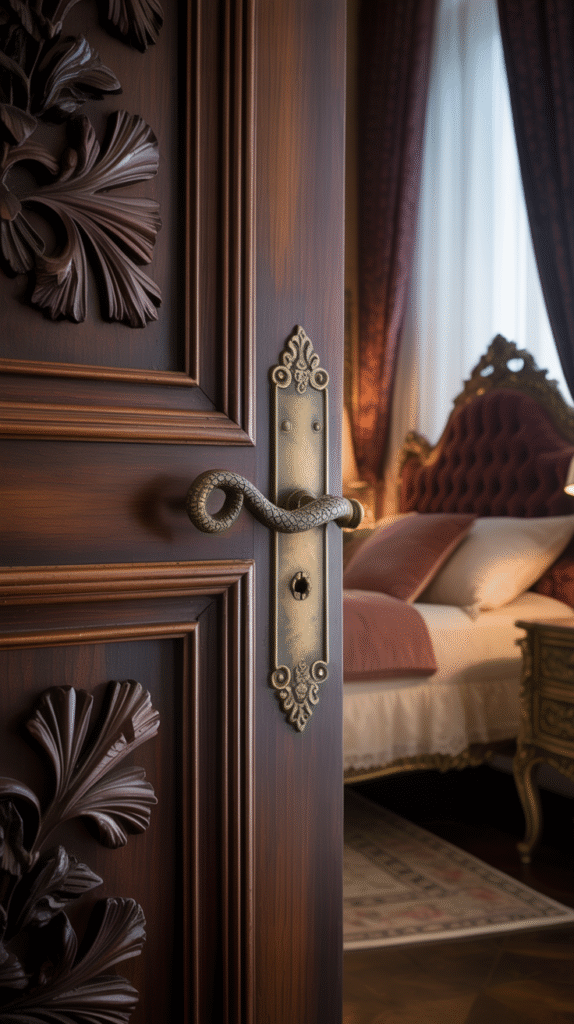
Small hardware changes can eliminate daily frustrations. Replace round doorknobs with lever-style handles that you can operate with your wrist or elbow when your hands are full. The same principle applies to faucets—lever handles are much easier to operate than round knobs.
Upgrade to large-button phones, remotes, and kitchen appliances. The bigger buttons are easier to see and press, reducing eye strain and making technology more user-friendly. Many of these devices also feature higher contrast displays for better visibility.
Furniture Adjustments for Comfort and Stability
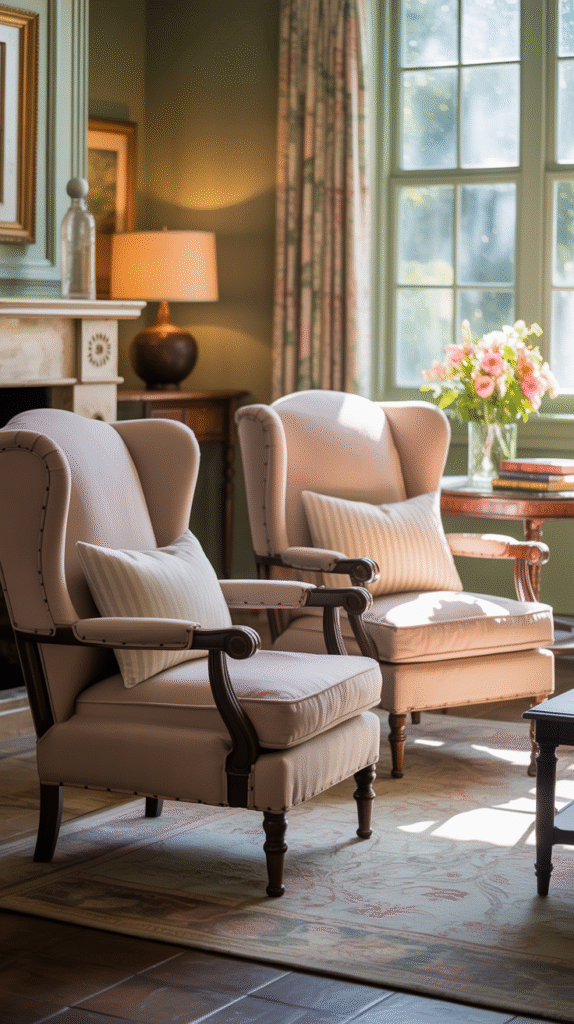
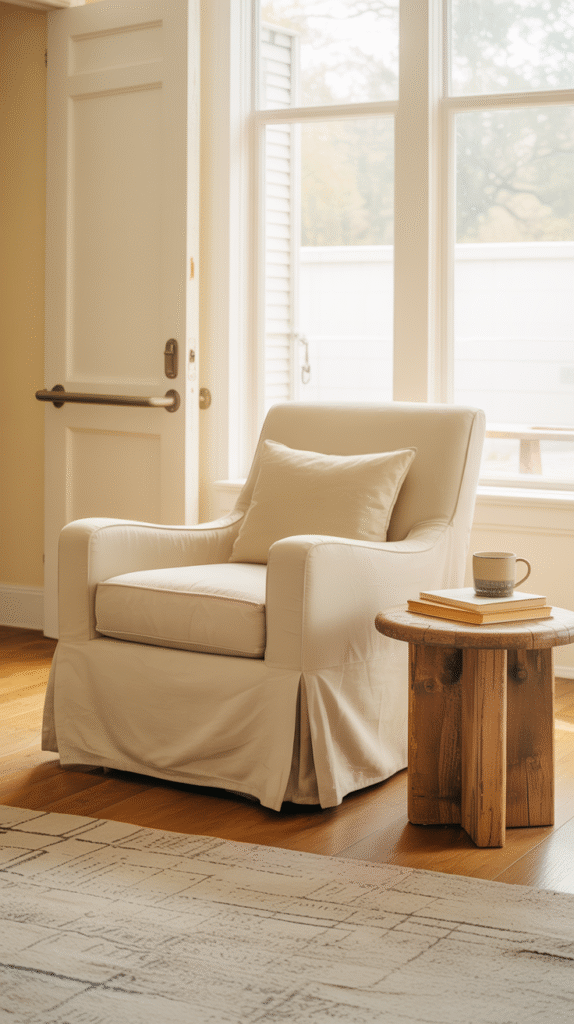
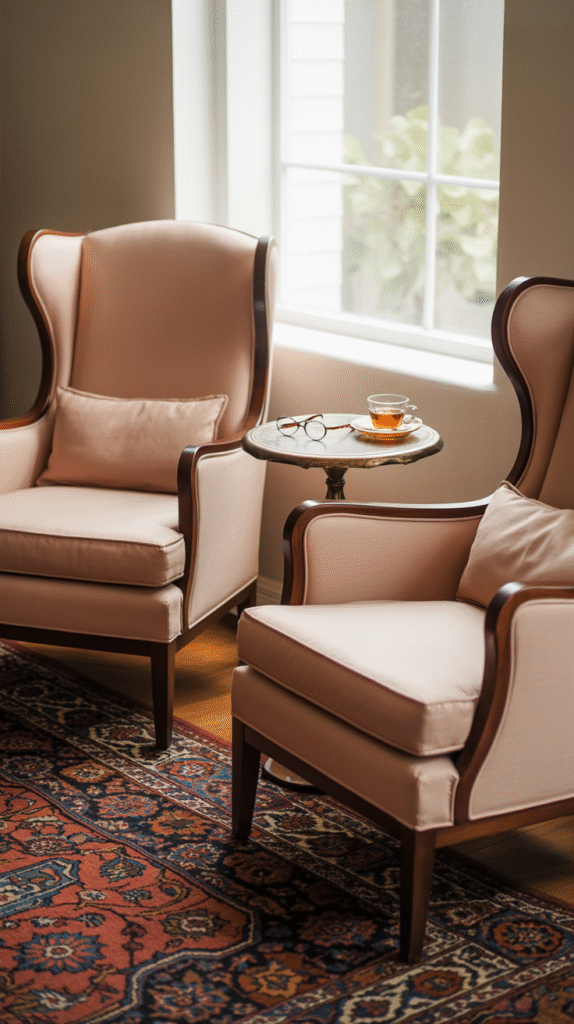
Choose . The ideal seat height allows your feet to rest flat on the floor with your knees at about 90 degrees.
For bedrooms, bed risers can raise your mattress to a more comfortable height for getting in and out. Adjustable beds, while more expensive, offer customizable positioning for sleeping, reading, and watching TV.
Technology for Safety and Peace of Mind

Medical Alert Systems: Help at the Push of a Button
Modern medical alert devices have come a long way from the bulky pendants of the past. Today’s options include sleek wristbands, pendant-style devices, and even smartwatches with emergency features.
Look for systems with GPS tracking if you’re active outside the home, and consider devices that can detect falls automatically. Many services offer 24/7 monitoring for around $20-40 per month—a small price for significant peace of mind.
Smart Home Devices: Your Voice-Activated Assistant
Voice-activated assistants like Amazon Echo or Google Home can be game-changers for daily living. Use them to set medication reminders, make hands-free phone calls, control lights and thermostats, or even ask for the weather forecast.
Video doorbells let you see and speak with visitors without opening the door. This technology is particularly valuable for those who live alone and want to screen visitors safely.
Automatic Shut-Off Devices: Preventing Kitchen Accidents
Forgetting to turn off appliances happens to everyone, but automatic shut-off devices provide an extra safety net. Stove shut-off devices can detect when a pot boils over or when temperatures get dangerously high.
Similar devices are available for space heaters and irons. These simple gadgets can prevent fires and provide tremendous peace of mind for both you and your family members.
Comfort and Accessibility Upgrades
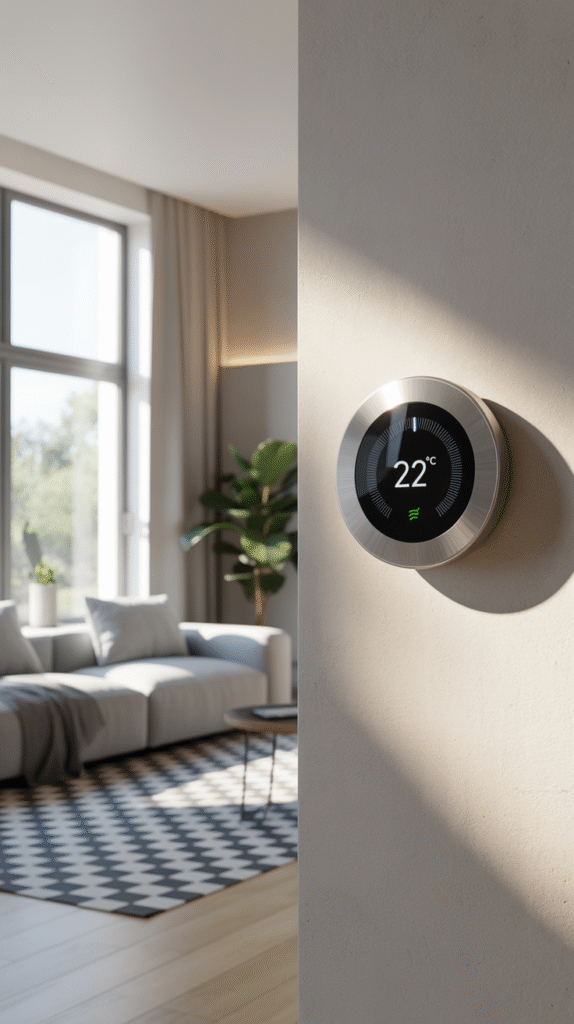
Temperature Control for Year-Round Comfort
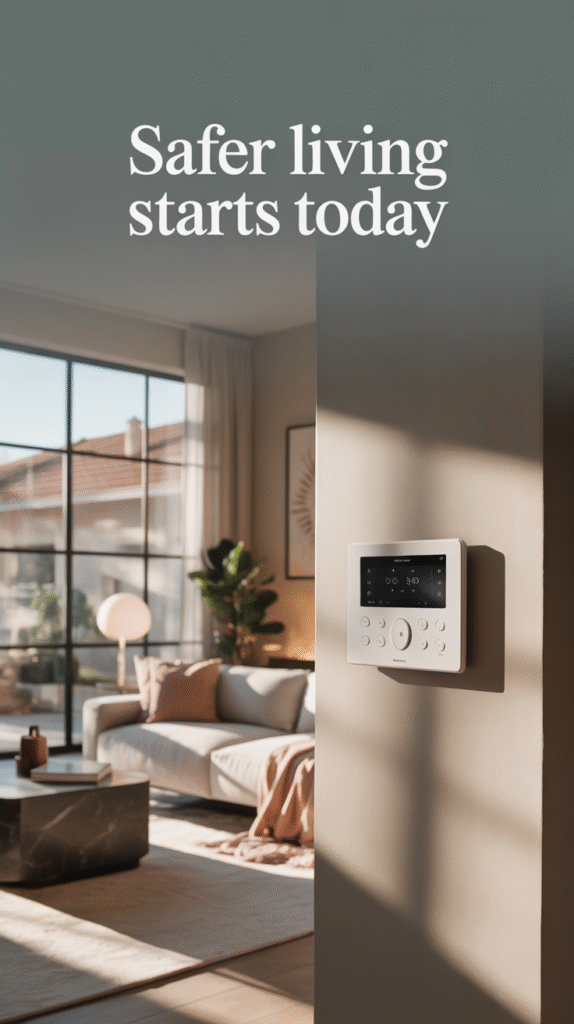
A programmable thermostat maintains consistent temperatures automatically, eliminating the need to constantly adjust settings. Look for models with large, easy-to-read displays and simple programming options.
Some newer thermostats can be controlled by smartphone apps, allowing family members to help adjust settings remotely if needed.
Bathroom Adjustments for Safety and Dignity
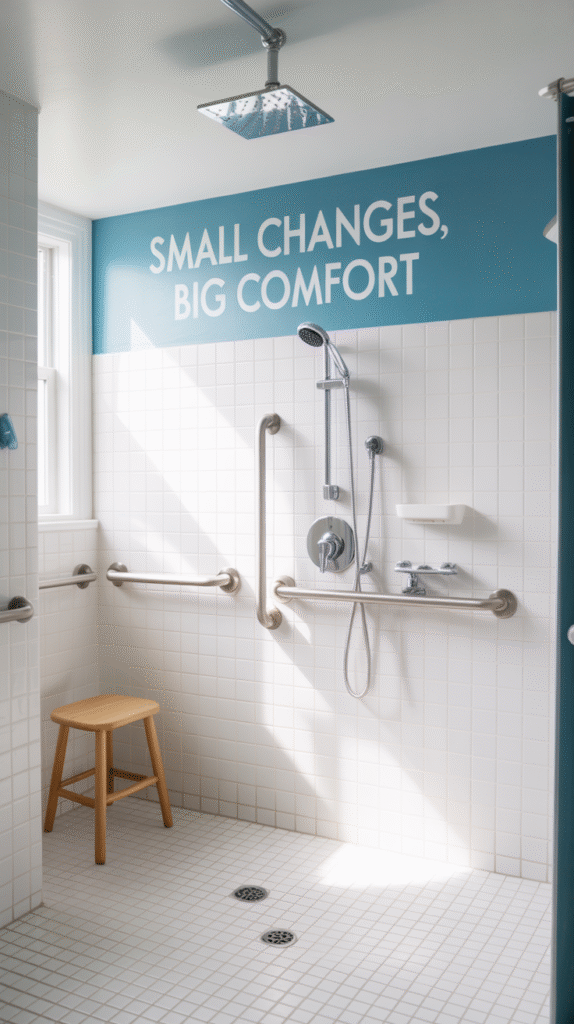
The bathroom presents unique challenges, but thoughtful modifications can make it much safer. Walk-in showers eliminate the need to step over high tub walls. If a full renovation isn’t possible, consider a transfer bench that spans the tub, allowing you to sit while bathing.
Handheld showerheads provide better control and can be used while sitting. Raised toilet seats reduce the distance needed to sit and stand, while grab bars on both sides provide stability and support.
Flooring Choices That Support Steady Steps
Low-pile carpeting provides cushioning if falls occur while offering better traction than high-pile rugs. For hard surfaces, choose slip-resistant materials and avoid high-gloss finishes that can become slippery when wet.
Consider area rugs with rubber backing in key areas like beside the bed or in front of the kitchen sink, but ensure they lay completely flat to prevent tripping.
Your Journey to a Safer, More Comfortable Home Starts Today
Remember Tom, whose simple addition of grab bars and better lighting transformed his daily routine from cautious navigation to confident independence? These simple home adjustments aren’t just about preventing accidents—they’re about preserving the joy and confidence that comes with living comfortably in your own space.
The beauty of these modifications lies in their simplicity. You don’t need to tackle everything at once. Start with one or two changes that address your biggest concerns, whether that’s better lighting in a dark hallway or a grab bar in the shower.
Small changes today can mean big differences in how you feel about your home tomorrow. Pick one adjustment from this list and try it this week—your future self will thank you for taking that first step toward a safer, more comfortable home.