
Ruth, 70, used to feel trapped during the long winter months. Her arthritis made outdoor activities challenging, and she found herself spending too many hours watching TV, feeling lonely and restless. Then she discovered watercolor painting. “I never thought I was artistic,” she laughs, “but now I wake up excited to see what colors I’ll mix today.” Three years later, her apartment walls are covered with her vibrant landscapes, and she’s teaching painting classes at her community center.
If you’re a senior looking for ways to stay active indoors—whether due to weather, mobility challenges, or simply preferring the comfort of home—you’re in for a treat. Fun indoor hobbies for seniors aren’t just time-fillers; they’re powerful tools for maintaining your health, happiness, and sense of purpose.
Why Indoor Hobbies Matter More Than You Think
Staying active indoors isn’t just about passing time—it’s about thriving. Research from the National Institute on Aging shows that engaging hobbies can reduce the risk of dementia by up to 23%. When you pursue indoor hobbies that keep seniors active, you’re investing in three crucial areas of your well-being.
Mental Health Benefits: Regular hobby engagement combats loneliness and depression while keeping your mind sharp. Activities that challenge your brain create new neural pathways, essentially giving your mind a daily workout.
Physical Health Perks: Even gentle indoor activities help maintain mobility, improve flexibility, and support balance. You don’t need to run marathons—small, consistent movements make a significant difference.
Emotional Well-being: Hobbies provide a sense of accomplishment and purpose. They give you something to look forward to each day and often connect you with like-minded people.
Creative Indoor Hobbies That Spark Joy

Painting & Drawing: Your Inner Artist Awaits
You don’t need formal training to start painting or drawing. Watercolors are perfect for beginners—they’re forgiving, require minimal setup, and create beautiful results even with simple techniques.
Getting started: Begin with a basic watercolor set (around $15-20), watercolor paper, and a few brushes. YouTube offers thousands of free tutorials specifically designed for seniors. Start with simple subjects like flowers, landscapes, or abstract color blending.
Crafting & DIY Projects: Hands-On Happiness
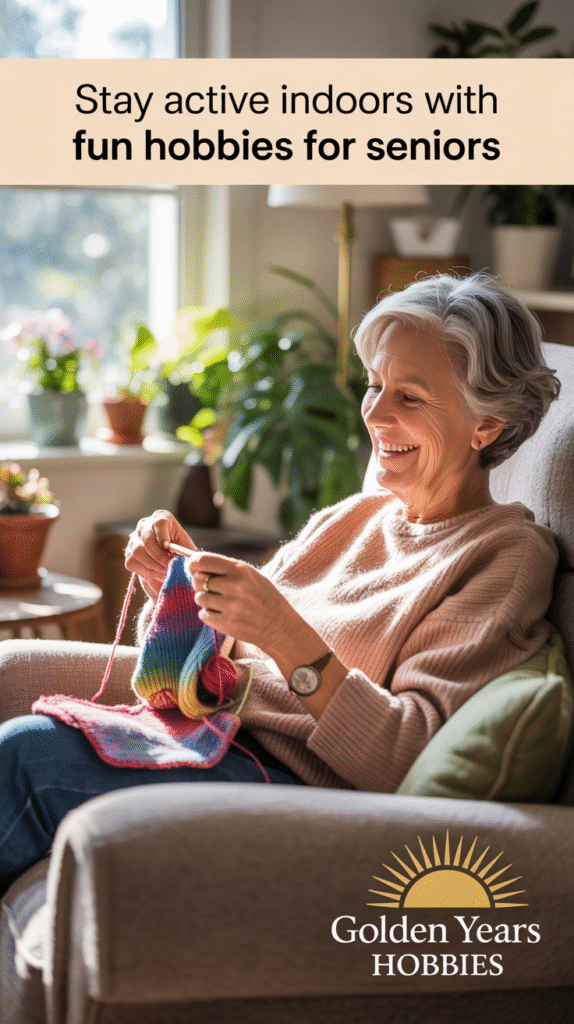
Crafting keeps your hands busy and your mind engaged. Popular options include knitting scarves for grandchildren, crocheting afghans, creating photo albums, or making handmade greeting cards.
Pro tip: Join online crafting communities where you can share projects and get inspiration. Many craft stores offer senior discounts and beginner classes designed specifically for older adults.
Writing & Journaling: Your Stories Matter
Writing preserves your memories while exercising your brain. Consider starting a memoir for your family, writing poetry, keeping a gratitude journal, or even starting a blog about your experiences.
Simple start: Write just five minutes daily about a childhood memory, a funny family story, or something you’re grateful for. These small writings often become treasured family heirlooms.
Movement-Based Indoor Hobbies That Energize Your Body

Indoor Gardening: Bringing Nature Inside
Container gardening and herb gardens bring the joy of nurturing plants indoors. Tending to plants provides gentle exercise for your hands and arms while creating a sense of accomplishment as you watch things grow.
Easy wins: Start with herbs like basil, mint, or parsley on a sunny windowsill. African violets, pothos, and snake plants are nearly impossible to kill and provide beautiful greenery year-round.
Chair Yoga & Tai Chi: Gentle Movement for Every Ability
These practices improve balance, flexibility, and strength while being completely adaptable to your mobility level. Many poses can be done sitting in a chair, making them accessible for everyone.
Resources: Look for “Chair Yoga for Seniors” videos online, or check if your local community center offers gentle movement classes. Start with just 10-15 minutes daily.
Dance Sessions: Move to Your Favorite Tunes
Put on music from your favorite era and move however feels good. Dancing improves cardiovascular health, balance, and mood while bringing back wonderful memories.
Make it social: Invite friends over for a dance party, or join virtual dance sessions designed for seniors. Even swaying and moving your arms while seated provides benefits.
Brain-Boosting Indoor Hobbies That Keep You Sharp
Puzzles & Games: Exercise for Your Mind
Jigsaw puzzles, crosswords, sudoku, and word games are like gym workouts for your brain. They improve problem-solving skills, memory, and concentration.
Variety keeps it fun: Rotate between different types of puzzles. Try 500-piece jigsaw puzzles for a satisfying challenge without overwhelming difficulty. Large-print puzzle books are easier on the eyes.
Board & Card Games: Fun Plus Social Connection
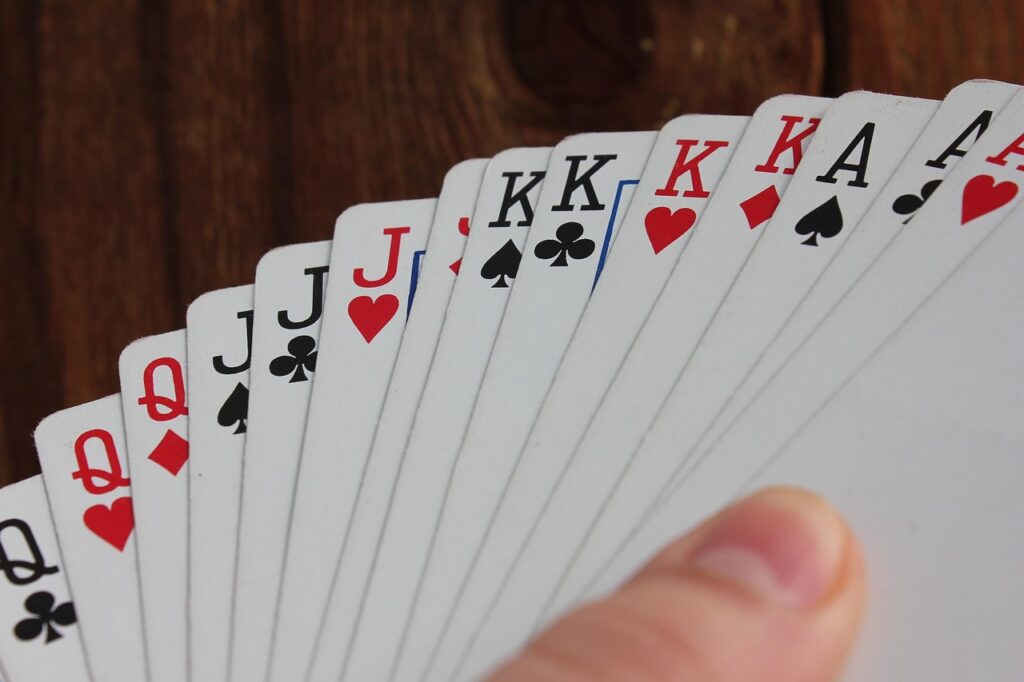
Games like bridge, rummy, solitaire, and bingo provide mental stimulation while offering opportunities for social interaction, whether in person or online.
Modern twist: Many classic games now have online versions where you can play with friends or meet new people. Apps like Words with Friends connect you with players worldwide.
Learning New Skills Online: It’s Never Too Late
Technology opens doors to endless learning opportunities. Consider online cooking classes, language learning apps, or computer skills courses designed for seniors.
Success story: Harold, 78, learned Spanish using a language app and now video calls with his grandson who’s studying in Madrid. “Learning something new makes me feel young again,” he says.
Social Indoor Hobbies That Build Connections

Book Clubs: Sharing Stories and Perspectives
Book clubs, whether in-person or virtual, provide intellectual stimulation and social bonding. Many libraries and community centers offer senior-focused book clubs.
Virtual options: Online book clubs let you connect with readers nationwide. Goodreads and Facebook have active senior reading groups discussing everything from mysteries to memoirs.
Music Groups: Harmonizing with Others
Join a choir, practice an instrument, or organize sing-alongs at home with friends or family. Music stimulates multiple areas of the brain and creates powerful emotional connections.
No experience needed: Many community choirs welcome beginners. If mobility is limited, consider virtual choir projects where members record their parts at home.
Volunteering from Home: Making a Difference Remotely
Use your wisdom and skills to help others through phone support, online mentoring, or administrative help for charities. This provides purpose and connection while making a meaningful impact.
Opportunities abound: Organizations like AARP, United Way, and local nonprofits need volunteers for phone-based support, tutoring, and administrative tasks you can do from home.
Practical Indoor Hobbies with Bonus Benefits
Cooking & Baking: Nourishment Plus Creativity
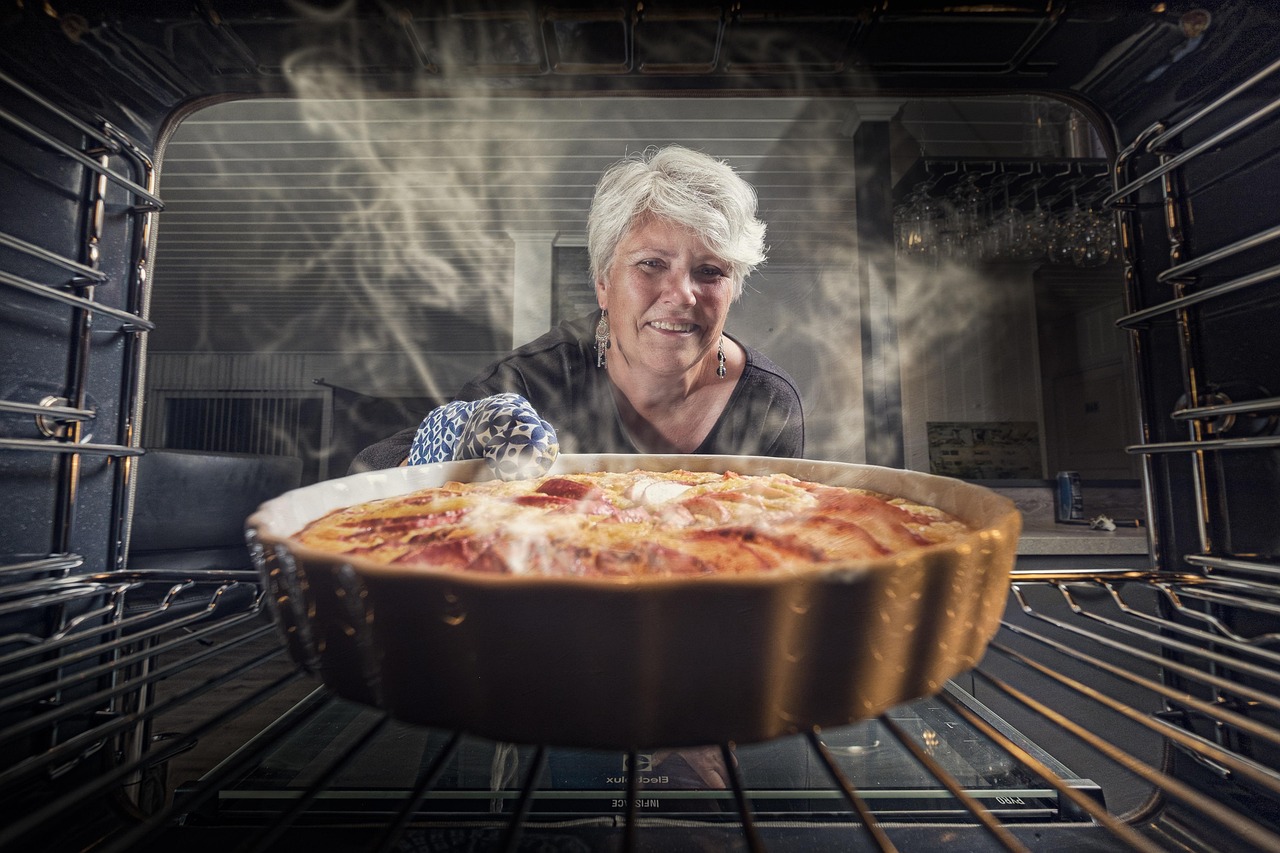
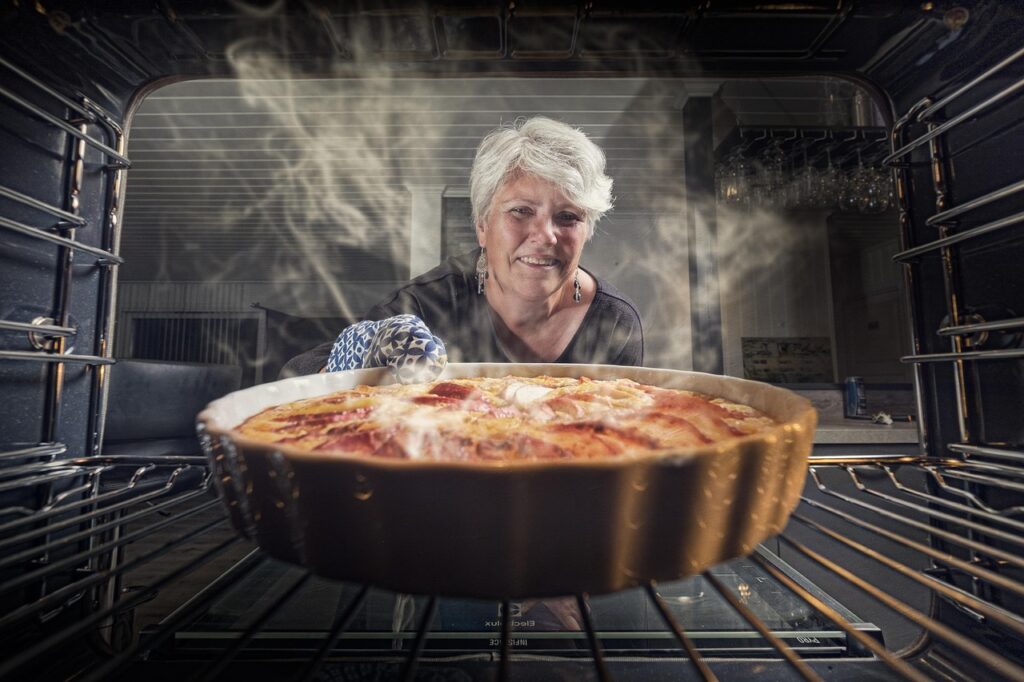
Experimenting with new recipes or perfecting family favorites combines creativity with practical benefits. Cooking engages all your senses and provides delicious results.
Health focus: Try adapting family recipes to be more heart-healthy, or explore cuisines from places you’ve always wanted to visit. Cooking shows and YouTube channels offer endless inspiration.
Home Organizing: Decluttering as a Hobby
Transform home organization from a chore into an engaging hobby. Sorting through photos, organizing closets, or creating memory boxes can be surprisingly satisfying.
Memory lane: Use organizing time to reminisce about items and their stories. Create themed boxes for different decades or family members.
Digital Scrapbooking: Preserving Memories with Modern Tools
Combine family history preservation with learning new technology skills. Digital scrapbooking programs make it easy to create beautiful memory books.
Family treasure: These digital albums can be easily shared with family members and printed as gifts for special occasions.
Getting Started: Your Hobby Journey Begins Now
Starting a new hobby can feel overwhelming, but it doesn’t have to be. Here’s your simple action plan:
Start small: Choose one hobby that genuinely interests you and commit to just 15-20 minutes daily. Success breeds success, so begin with manageable goals.
Match your energy: Consider your current mobility and energy levels. Be honest about what feels doable, and remember you can always expand later.
Find your tribe: Join groups, online communities, or classes related to your chosen hobby. The social aspect often makes activities more enjoyable and sustainable.
Keep it pressure-free: This is about joy, not perfection. There are no grades, no deadlines—just the pleasure of trying something new.
Your Active, Joyful Life Awaits
Whether you’re dealing with mobility challenges, bad weather, or simply prefer the comfort of home, fun indoor hobbies for seniors offer endless possibilities for staying active, engaged, and happy. From Margaret’s watercolor journey to Harold’s Spanish adventure, seniors across the country are discovering that some of life’s best activities happen right at home.
The beauty of indoor hobbies is that there’s truly something for everyone, regardless of your physical abilities, budget, or experience level. These activities aren’t just ways to pass time—they’re investments in your health, happiness, and sense of purpose.
This week, choose one indoor hobby that sparked your interest and give it a try. You might discover a hidden talent, make new friends, or simply find a new source of daily joy. Your future active, engaged self will thank you for taking that first step.
What indoor hobby are you most excited to try? Share your choice in the comments below—your story might inspire another senior to start their own hobby adventure!